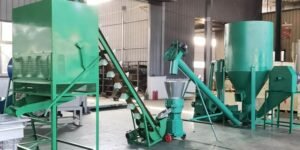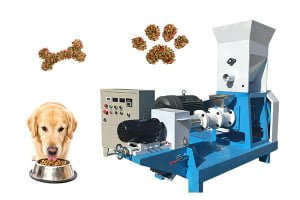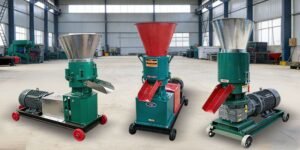
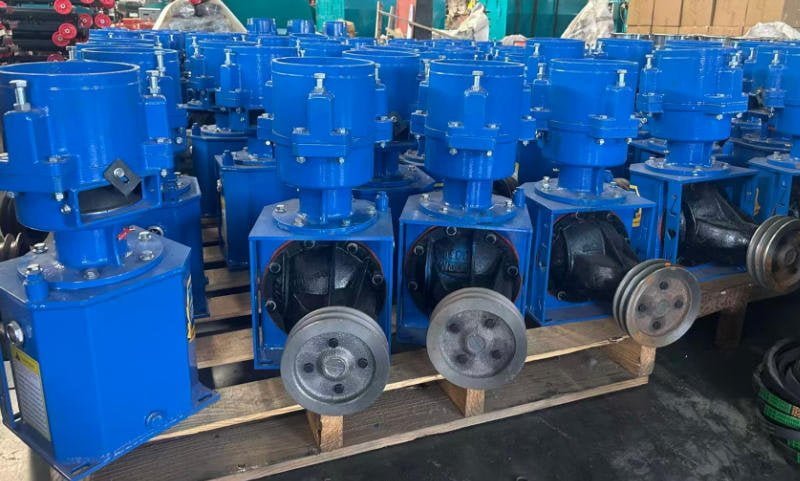
A powerless feed pellet machine is a cost-effective and flexible feed processing solution tailored for small farms, livestock breeders, and rural farming households. Unlike conventional integrated feed pellet units that come with pre-installed motors, diesel engines, or gasoline engines, this standalone pellet equipment features only a core pelletizing host with no built-in power system. It enables farmers to freely match their existing motors, diesel engines, or gasoline engines, cutting redundant equipment investment and resolving the high-cost pain points of traditional feed pellet machines. For budget-conscious farmers looking to produce quality homemade animal feed, a powerless feed pellet machine delivers unbeatable practicality and long-term value.
What Is a Powerless Feed Pellet Machine?
A powerless feed pellet machine is a pure pelletizing host device that operates without any factory-fitted power components, including no electric motor, diesel engine, or gasoline engine. The unit retains all core working parts — precision die plates, pressure rollers, feeding hoppers, and heavy-duty transmission gearboxes — to fully support raw material extrusion, compression, and uniform feed pellet forming. Every key component is optimized for stable, high-efficiency feed production for livestock farming.
The defining advantage of this powerless feed pellet machine is its split structure that separates the pelletizing host from power systems. It abandons the inflexible all-in-one design of traditional feed processing machines, letting users select and install compatible power equipment based on their on-site conditions. Universally compatible with standard agricultural power tools, this pellet host offers exceptional versatility for all types of livestock feed processing tasks.
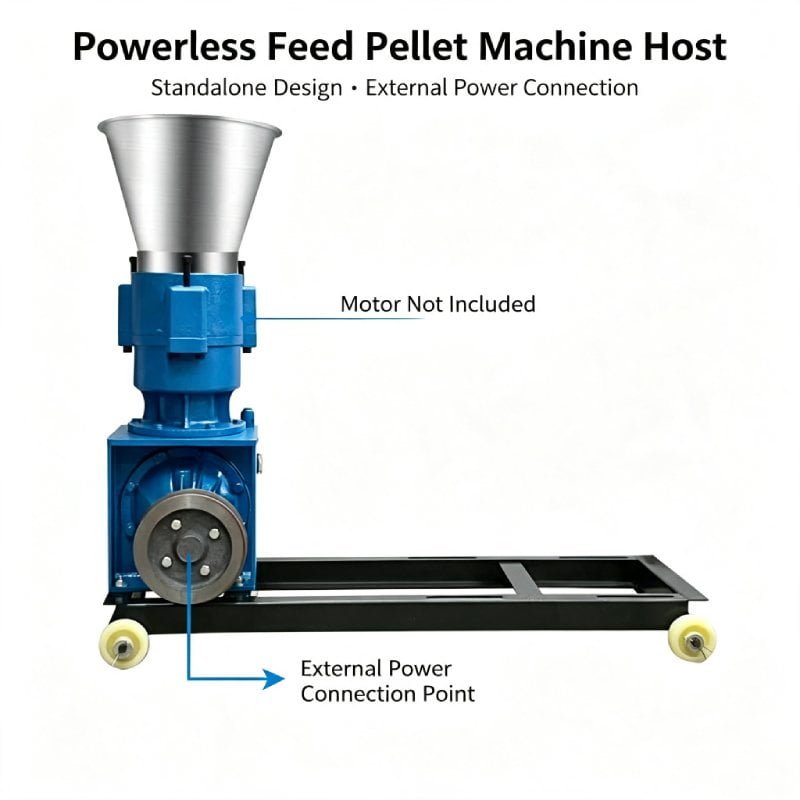
Core Benefit 1: Reuse Existing Power Equipment to Cut Down Procurement Costs
The biggest advantage of investing in a powerless feed pellet machine is significant cost reduction. Most rural farmers and small-scale breeding operations already own functional power equipment, including electric motors, small diesel engines, and gasoline engines for daily farming and mechanical work.
Traditional integrated feed pellet machines force users to purchase complete units with pre-installed power systems, leading to duplicate purchases and idle power equipment that waste capital. In contrast, the powerless feed pellet machine only requires investment in the high-precision pelletizing host. Farmers can repurpose their existing diesel engine, gasoline engine or electric motor to drive the machine for stable, daily feed production.
Under the premise of ensuring the same pelletizing efficiency and high-quality feed pellet effect as integrated machines, this matching method can help users save 30% to 50% of equipment purchase costs. It greatly reduces the entry threshold for homemade feed production and is very suitable for small and medium-sized farmers with limited investment budgets.
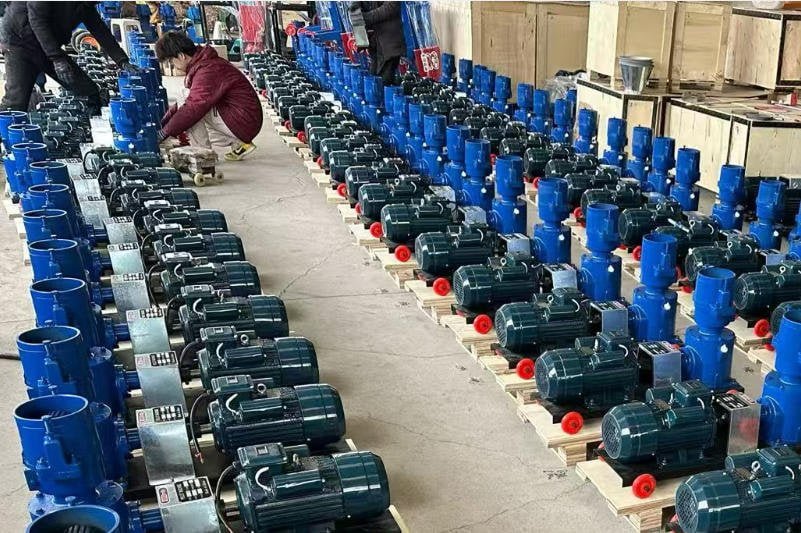
Core Benefit 2: Flexible Power Matching Adapts to All Breeding Scenarios
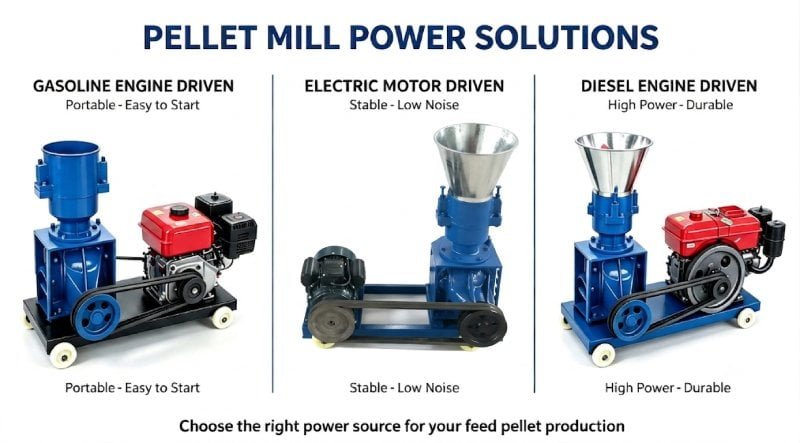
Breeding sites vary greatly in power supply stability and daily production volume, making fixed-power feed pellet machines poorly adaptable to diverse farming environments. The powerless feed pellet machine solves this issue perfectly, supporting flexible pairing with electric motors, diesel engines, and gasoline engines to suit all rural and pastoral feed processing scenarios.
- Match with electric motor: When users have stable grid power supply, matching a conventional motor is the best choice. This combination features low noise, zero exhaust emission, low operating cost, and stable continuous working performance, ideal for indoor and fixed-site feed pellet production.
- Match with diesel engine: For remote mountain farms, pastures, and rural areas without electricity or with unstable power supply, users can match a self-owned diesel engine. Diesel power provides strong power output and stable load resistance, not limited by power conditions, supporting outdoor mobile feed pellet processing.
- Match with gasoline engine: For users with small-batch and intermittent feed production needs, a gasoline engine is a perfect match. It is easy to start, lightweight and flexible, convenient for frequent site movement, and fully meets the daily feed making needs of scattered small breeding households.
Farmers can customize their power setup by adjusting the power type and wattage based on daily feed output, raw material varieties, and site conditions. This flexible design makes the powerless feed pellet machine a multi-scenario solution that outperforms rigid fixed-power pellet machines in adaptability and overall utility for modern farming.
Core Benefit 3: Simple Structure, Low Failure Rate and Easy Maintenance
Traditional all-in-one feed pellet machines integrate power devices and pelletizing hosts into one. Once the motor or engine fails, the entire feed processing work will be forced to stop. Moreover, the integrated structure is complicated to disassemble and repair, with high replacement costs of accessories, bringing high long-term maintenance pressure to farmers.
The powerless feed pellet machine adopts a professional split design, completely isolating the pelletizing host from external power equipment. The standalone pellet host features a streamlined mechanical structure, minimal vulnerable parts, and an ultra-low failure rate, enabling long-term stable operation. If the paired diesel engine, gasoline engine or motor malfunctions, only the power unit needs repair or replacement — the pellet machine host remains fully functional, avoiding costly production downtime.
In addition, daily cleaning, lubrication, and vulnerable parts replacement of the powerless pellet machine are more convenient, effectively saving users’ later maintenance time and operating costs.
Core Benefit 4: Stable Pelletizing Performance and Wide Raw Material Adaptability
By eliminating factory-built power components, the powerless feed pellet machine optimizes its internal transmission structure, boosting power transfer efficiency and delivering consistent, stable pelletizing pressure. This versatile feed processing equipment handles nearly all common livestock and poultry feed materials, including corn flour, wheat bran, rice husk, straw powder, alfalfa, leafy greens, and custom compound feed blends.
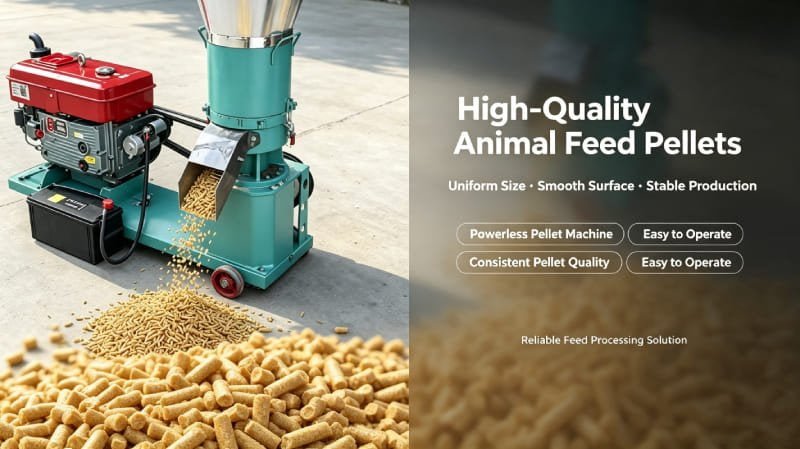
Pellets produced by this powerless pellet host feature uniform sizing, smooth surfaces, high density, and strong mildew resistance. Premium pellet feed improves nutrient digestion and absorption for livestock and poultry, cuts down feed waste, and accelerates the growth of chickens, ducks, geese, pigs, cattle, sheep, rabbits, and other farm animals. It serves as a high-efficiency, cost-saving feed making solution for all sizes of breeding farms.
Who Needs a Powerless Feed Pellet Machine?
With its outstanding cost performance and flexible power compatibility, the powerless feed pellet machine is engineered exclusively for farmers who already own independent power equipment. It is ideal for the following user groups:
- Small and medium-sized farmers who have spare motors, diesel engines or gasoline engines at home
- Remote mountain farms and pastures without grid power or with unstable power supply
- New breeding entrepreneurs with limited equipment procurement budget
- Breeding users who need mobile feed processing and frequent site replacement
- Medium and large breeding farms that pursue low maintenance costs and long-term stable operation
Conclusion
The powerless feed pellet machine overcomes the structural drawbacks of traditional integrated feed pellet equipment. Its core strengths — flexible power compatibility, low upfront investment, minimal failure risk, and a wide application range — allow farmers to maximize the use of existing power resources and eliminate unnecessary duplicate equipment spending.
For global small and medium-scale livestock breeders, pairing a powerless feed pellet machine with a personal diesel engine, gasoline engine or motor is the most economical and efficient way to produce high-quality homemade feed. This equipment effectively reduces overall breeding costs, boosts farming profitability, and has become a staple tool for modern ecological breeding systems worldwide.
FAQs About Powerless Feed Pellet Machine
Q1: Is the pelletizing quality of a powerless feed pellet machine worse than an integrated pellet machine?
A1: Absolutely not. The powerless feed pellet machine retains the exact high-performance core pelletizing structure of premium integrated pellet machines, only removing redundant factory power components. It delivers identical pellet molding effects, pellet density, and production efficiency. Final feed quality only depends on power equipment stability and raw material proportioning.
Q2: Is it difficult to match and install power equipment for the powerless pellet machine?
A2: Extremely easy. This powerless pellet machine is fitted with universal standard interfaces, compatible with almost all mainstream motors, diesel engines, and gasoline engines on the market. Connection and setup are straightforward, allowing users to finish power matching and equipment debugging without professional technical assistance.
Q3: Can a powerless feed pellet machine meet large-scale and long-term feed production needs?
A3: Yes, it fully qualifies for large-scale, long-term production. Users can match high-wattage power equipment according to daily output demands. The reinforced host structure supports continuous round-the-clock operation, easily meeting the daily feed processing needs of medium and large breeding farms.