Are you looking for an efficient way to convert loose biomass waste into high-density, high-value fuel pellets? The global demand for renewable energy has made the biomass pellet machine one of the most profitable investments for farm owners, agricultural cooperatives, and small-to-medium scale fuel suppliers. However, choosing the wrong machine type for your specific raw material can lead to frequent clogging, rapid die wear, and poor pellet quality.
As a professional manufacturer with years of expertise in biomass pelletizing, we have built this comprehensive guide to help you navigate the technical nuances. In this article, you will discover how different raw materials (wood, grass, bamboo) behave under pressure, how to choose between flat die and ring die technologies, and what critical factors determine a realistic biomass pellet machine price.
1. What is a Biomass Pellet Machine and How Does It Work?
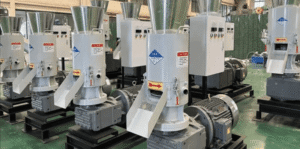
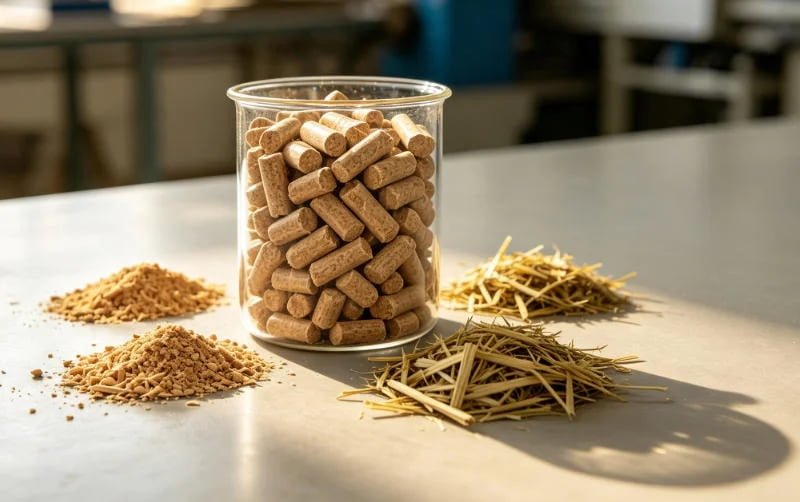
A biomass fuel pellet machine is a mechanical device that utilizes high pressure and frictional heat to compress loose organic materials—such as sawdust, crop stalks, grass, and bamboo—into dense, cylindrical bio-fuel pellets. During the extrusion process, the natural lignin within the plant matter is softened by the heat (typically reaching 70°C–90°C), acting as a natural binder that holds the pellet together without any chemical additives.
For small-to-medium scale operations or businesses just starting out, the flat die wood pellet machine is the absolute industry standard. Its open design allows you to monitor the pelletizing process in real-time, making it exceptionally user-friendly and highly economical for processing diverse agricultural and forestry residues.
2. Matching Raw Materials to the Right Pellet Machine
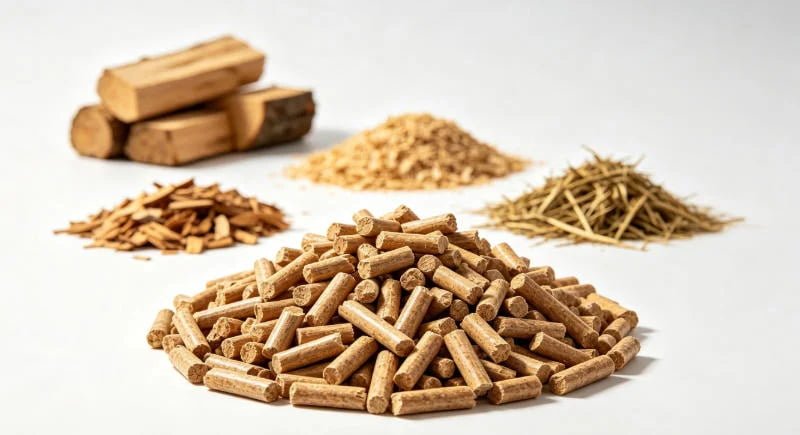
Not all biomass materials are created equal. The moisture content, hardness, and fiber structure of your feedstocks dictate how the machine should be configured.
A. Hardwoods and Softwoods (The Gold Standard)
- Key Keywords: wood pellet machine, wood pellet machine for sale
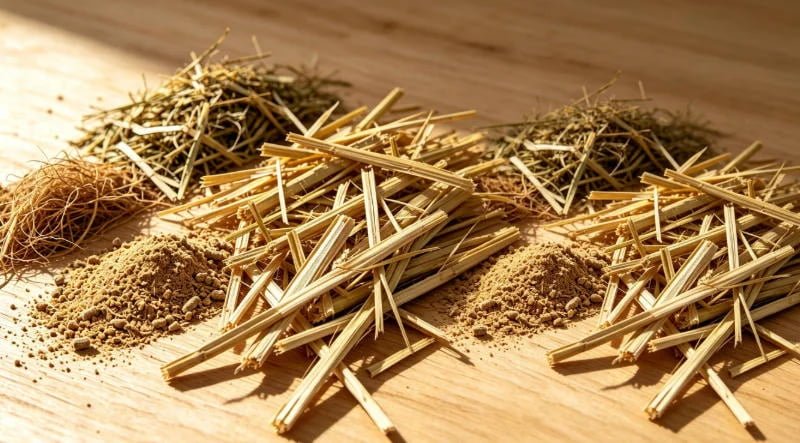
- Material Characteristics: Hardwood (like oak or beech) and softwood (like pine) sawdust contain high amounts of natural lignin, making excellent, glossy pellets. However, hardwood requires immense pressure to extrude.
- Equipment Fit: A reinforced flat die pellet machine with customized compression ratios is required. Trying to use a standard feed pellet machine for wood will break the rollers within days.
B. Grass, Straw, and Crop Stalks (High Ash, Low Friction)
- Key Keywords: grass pellet machine, agricultural residue pellet mill
- Material Characteristics: Grass and straw have long, flexible fibers but much lower lignin content compared to wood. They extrude easily but can expand and break if the die compression ratio is too low.
- Equipment Fit: Requires a die with a deeper hole depth (higher compression ratio) to guarantee the pellets reach industrial hardness for heating stoves.
C. Bamboo Shavings and Hard Agrowaste (Highly Abrasive)
- Material Characteristics: Bamboo is rich in silica, making it highly abrasive. It wears down standard alloy dies extremely fast.
- Equipment Fit: You must ensure your manufacturer provides premium vacuum-heat-treated alloy steel or stainless steel dies to withstand the friction.
3. Key Comparison: Flat Die vs. Ring Die Pellet Machines
Understanding which design fits your business model prevents costly operational mistakes:
| Features / Specifications | Flat Die Pellet Machine (Recommended) | Ring Die Pellet Mill |
|---|---|---|
| Main Target Audience | Home use, small farms, starter business, OEM/ODM dealers | Large-scale industrial fuel factories |
| Capacity Range | 50 kg/h up to 800 kg/h | Over 1,000 kg/h (1 Ton+) |
| Material Versatility | Excellent; easily processes wood, grass, and mixed biomass | Mainly optimized for a single, uniform feedstock |
| Maintenance & Operation | Simple, highly accessible, easy to change rollers/dies | Complex, requires specialized cranes/tools to service |
| Initial Investment Cost | Highly affordable; rapid ROI | Extremely expensive infrastructure required |
4. Analyzing the Biomass Pellet Machine Price: What Affects Your Cost?
When searching for a biomass pellet machine price, you will encounter vast differences online. A reliable B2B purchase shouldn't just look at the lowest number. The price tag is primarily driven by three factors:
- The Power Source: Electric motor models provide stable, consistent output for workshop environments. Diesel or Tractor PTO (Power Take-Off) driven models are ideal for field operations where electricity grids are unavailable, though they cost slightly more initially.
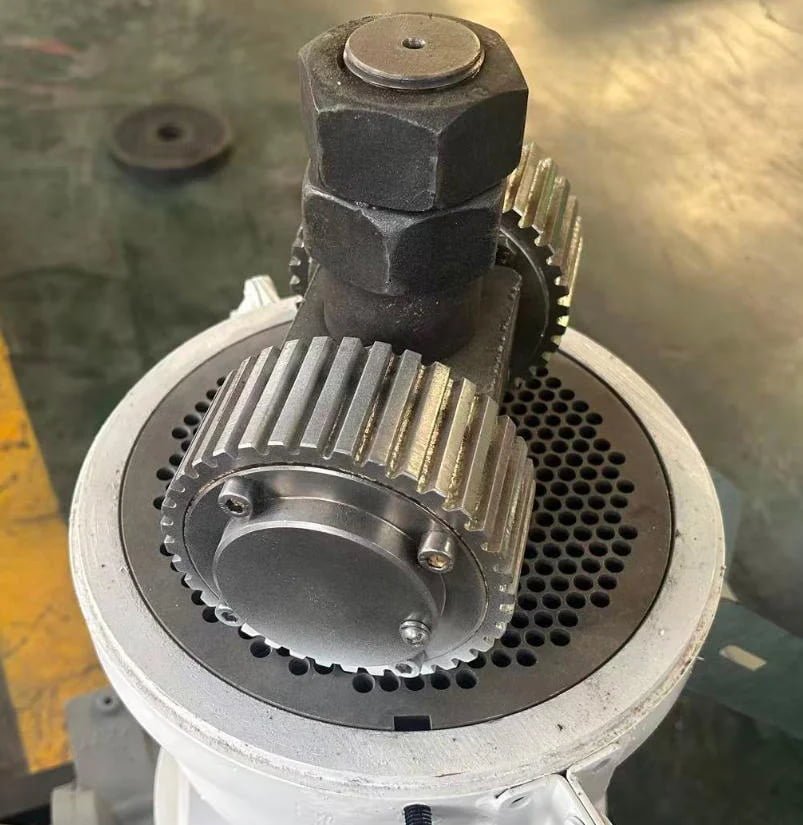
- Die and Roller Material Quality: Cheap machines use standard carbon steel. Professional-grade machines use Cr12MoV alloy steel, extending the lifespan by 300-500 hours of continuous operation.
- The Gearbox Engineering: Biomass requires heavy-duty reduction gearboxes. High-quality bevel gears ensure torque transition without slipping, directly reducing your long-term energy bills.
💰 Looking for an Exact Factory-Direct Price Quote?
Don't guess your configuration. Tell our engineering team your raw material type (e.g., pine sawdust, rice husk, grass) and your power availability. We will send you a detailed project proposal, machine specifications, and a wholesale price list within 24 hours.
Get a Free Customized Quote Now
5. Crucial Technical Tips for High-Quality Biomass Pellet Production
To maximize your output and avoid common operational pitfalls, keep these metrics in mind:
- Optimal Moisture Content: The raw material moisture must be tightly controlled between 12% and 18%. If it is too dry, it won't pelletize; if it is too wet, the pellets will crack and crumble.
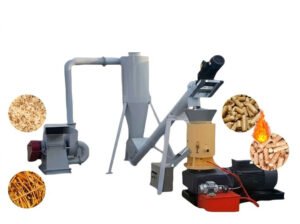
- Particle Size Matter: The size of the raw material fed into the machine should always be smaller than the diameter of the final pellet hole (typically under 5mm for standard 6mm/8mm fuel pellets). A hammer mill crusher is usually required before pelletizing.
6. Why Partner with Us for Your Biomass Project?
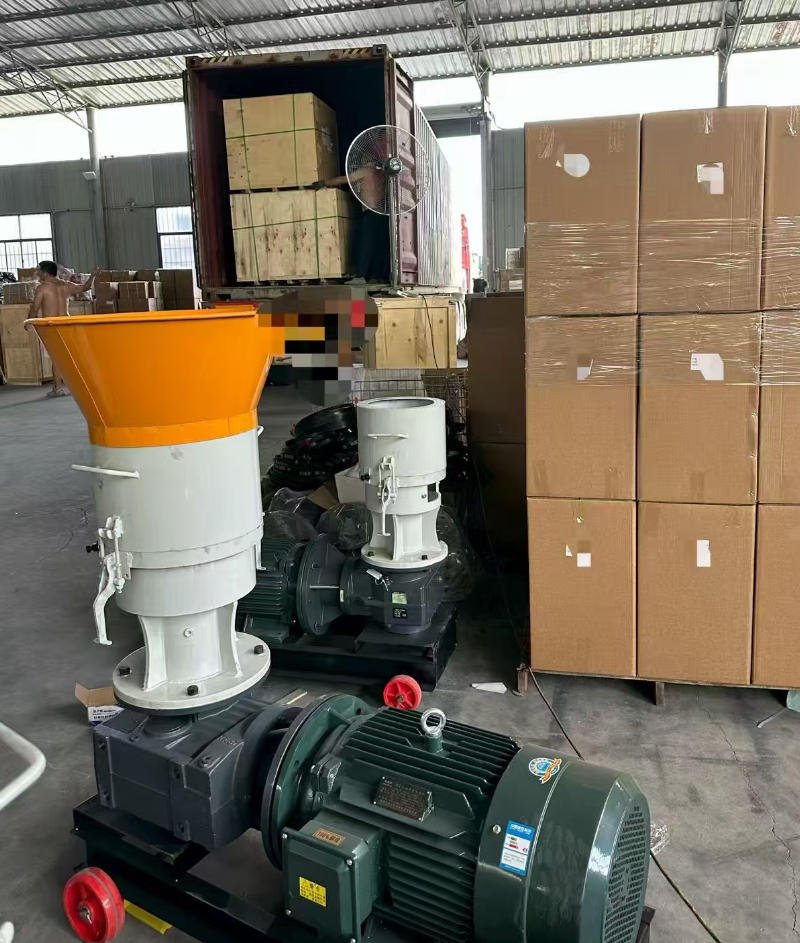
As a leading supplier specializing in high-performance flat die pellet technology, we understand the specific needs of expanding dealers and independent station owners. We don't just sell equipment; we deliver customized compression dies tested specifically against your region's unique crop or wood waste. Whether you are buying a single unit for a farm or seeking reliable OEM factory manufacturing partnerships to distribute under your own brand, we offer full support, CE-ready components, and direct engineering consultations.
🚀 Ready to Boost Your Renewable Energy Business?
Get factory-direct wholesale pricing, localized CE compliance documents, and custom die configurations today. Click below to submit your inquiry or schedule a live video inspection of our production floor!