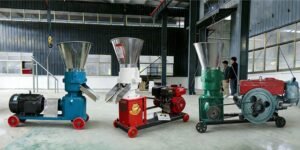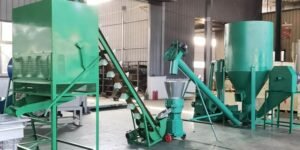
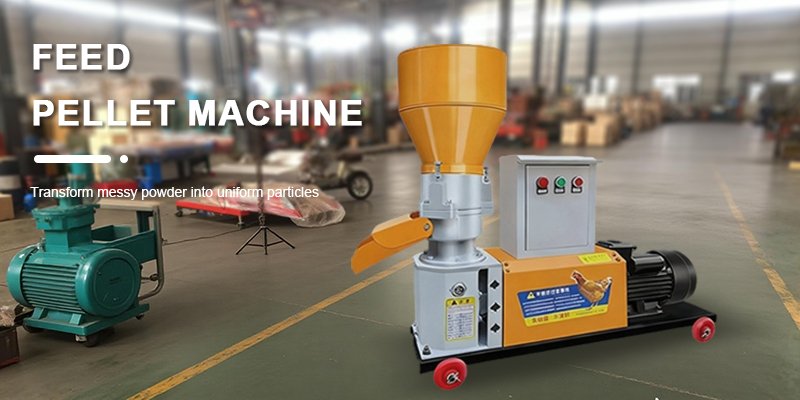
You're ready to use your new pellet machine, but the fear of making a mistake is real. Incorrect setup or operation can damage your investment and ruin your feed production.
Master your machine by following four key stages: correctly install core parts, properly break in the new components, precisely control moisture during production, and perform diligent maintenance after every use. This simple process guarantees longevity and peak performance for your equipment.
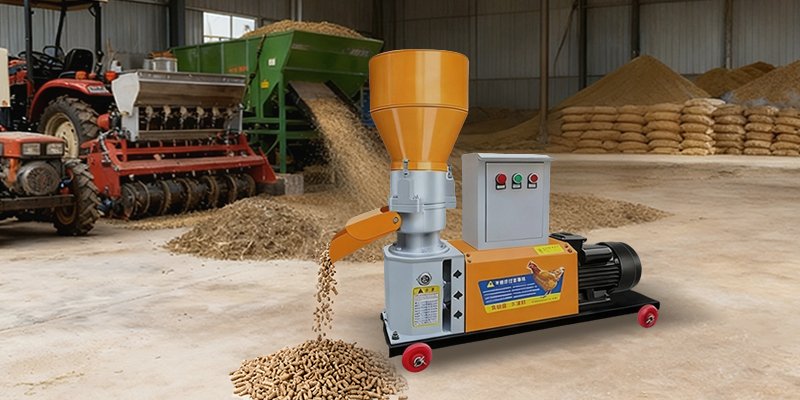
I've been in the agricultural machinery business for 25 years, and I can tell you that success isn't about being a master mechanic. It’s about building good habits from day one. These small, consistent steps are what separate a reliable workhorse from a constant source of frustration. Let’s walk through this process together, so you can operate your machine with confidence.
How Do You Correctly Install a New Feed Pellet Die and Adjust the Rollers?
Your old die is worn, but swapping it out seems complex. One wrong move could misalign the new parts, leading to poor pellet quality and unnecessary wear on your machine.
To replace the die, first remove the four lock nuts and lift out the pressure rollers1. Then, install the new feed pellet die, making sure the keyway is aligned. Finally, reinstall the rollers and tighten the adjustment screws until they are snug against the new die.
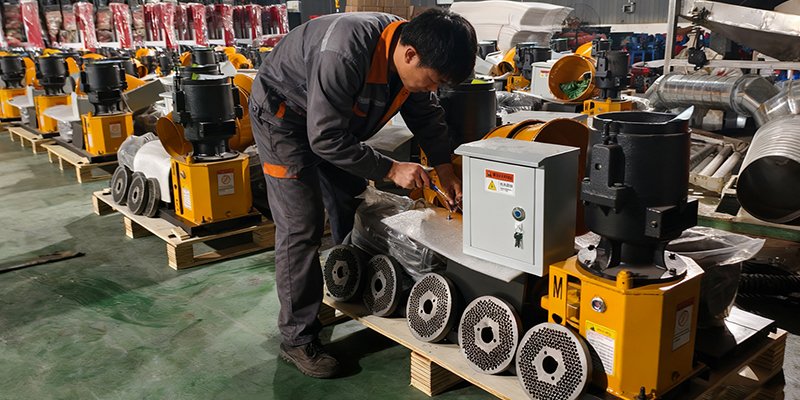
Getting the physical setup right is the foundation of good performance. At STROSEN, we design our machines for straightforward maintenance, but the proper installation of these core components2 is non-negotiable. Let's break down the process.
Step 1: Component Assembly
Replacing the feed pellet machine3 die (sometimes called a millstone plate) starts with disassembly. You will need to remove the four main lock nuts holding the pressure roller assembly in place. Once those are off, you can lift the rollers and any shims out. This gives you clear access. When installing the new die, the most important detail is to align its slot with the key on the shaft. This ensures it locks in place and doesn't slip. After the die is seated, place the shims and rollers back, and firmly tighten all the lock nuts with a wrench.
Step 2: Fine-Tuning the Pressure Rollers
With the new die installed, you need to adjust the pressure rollers1. The goal is to make them completely snug against the die. Use the adjustment screws to tighten the rollers. As you tighten one side, rotate the other to prevent it from backing off. You know the adjustment is correct when the rollers are in full contact with the die plate and there is no gap. This ensures even pressure and consistent pellet formation.
| Action | Key Detail | Purpose |
|---|---|---|
| Removing Old Die | Loosen four lock nuts and lift rollers out. | To access and remove the worn-out feed pellet die. |
| Installing New Die | Align the slot (keyway) on the die and shaft. | Ensures the die is locked in place and rotates correctly. |
| Adjusting Rollers | Tighten adjustment screws until snug contact. | Guarantees even pressure for uniform pellet quality. |
What's the Right Way to Break in a Brand New Pellet Machine?
You want to start making feed with your new machine right away. But skipping the crucial break-in period can cause permanent damage to the new gears, rollers, and feed pellet die.
First, run the new machine empty for 20-30 minutes to let the new components settle. After that, use the included grinding material to polish the new die until it produces smooth, uniform pellets. This signals the machine is now ready for regular production.
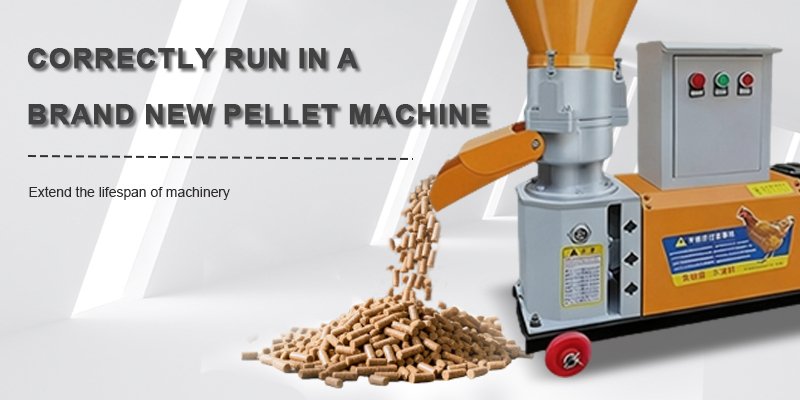
Think of this like breaking in a new car engine. The internal parts are all brand new and need a chance to wear in together smoothly. This initial process is short, but it has a massive impact on the machine's long-term health and performance.
Phase 1: The Empty Run
The very first step is to turn the machine on and let it run with no material in it for 20 to 30 minutes. The gears in the gearbox, the pressure rollers1, and the bearings are all new and manufactured to tight tolerances. This empty run allows them to heat up slightly, settle into their optimal running positions, and get properly lubricated by the gear oil without being under any stress. It’s a simple but vital step for the mechanical health of your machine.
Phase 2: Polishing the Feed Pellet Die
After the empty run, it's time to prepare the die itself. A new die has microscopic imperfections from the manufacturing process. You need to polish these away for smooth pellet extrusion. Use the special grinding material that came with your machine. Feed it through slowly. At first, the output might be rough or powdery. Continue this process until the machine starts producing smooth, well-formed, and slightly shiny pellets. This confirms the die is properly polished and ready for your actual feed mix.
| Break-in Phase | Duration/Goal | Why It's Important |
|---|---|---|
| Empty Run | 20-30 minutes | Allows new gears and bearings to settle without load. |
| Grinding Material | Until pellets are smooth and uniform | Polishes the feed pellet die for efficient extrusion. |
How Does Water Content Critically Affect Your Feed Pellets?
You're feeding material into the machine, but it's either spitting out useless dust or becoming a clogged, mushy mess. This common and frustrating problem is almost always caused by one factor.
Moisture is everything. Too little water, and your pellets will turn to powder with low output. Too much water, and the feed will become sticky and clog the machine. The perfect moisture balance results in firm, uniform pellets and maximum production.
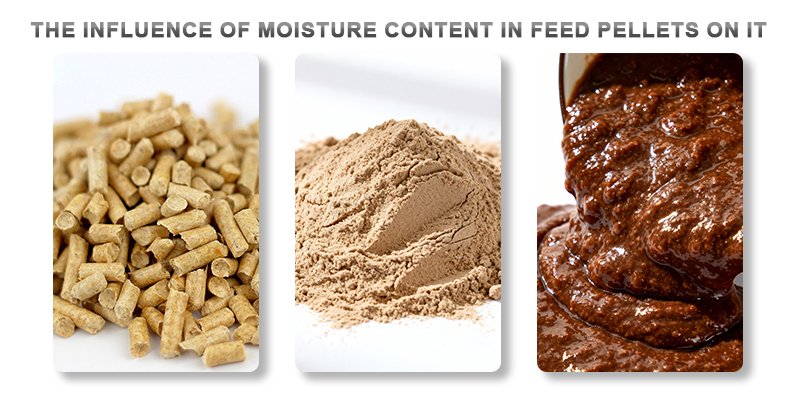
In my 25 years of experience, I've seen that mastering moisture control4 is what separates amateurs from pros. It's the most important variable in the entire pelleting process. In our own demonstrations, we've seen adding the right amount of water to dry material increase output by 30%.
The Three Moisture Scenarios
- Too Dry: When your feed mix lacks moisture, there's not enough of a binding agent to hold the material together under pressure. The machine compresses it, but it just crumbles back into dust as it exits the die's holes. Your production rate will drop significantly.
- Just Right: With the ideal moisture content, the material becomes pliable. It compresses easily, flows smoothly through the die holes, and holds its shape perfectly as it's cut into pellets. The output is fast, uniform, and high-quality.
- Too Wet: If you add too much water, the feed turns into a paste. This sticky goo can't be pushed through the die holes. It builds up, smears, and will quickly cause a severe blockage in the feed hopper and grinding assembly, forcing you to stop and clean everything out.
Also, remember this critical operational rule: Always start the motor before you add feed. Forcing the motor to start under a heavy load can cause damage. Let it get up to speed first.
| Moisture Level | Pellet Appearance | Machine Status |
|---|---|---|
| Too Low | Powdery, crumbly, dust-like | Low output, inefficient operation. |
| Just Right | Firm, smooth, uniform shape | High output, smooth and normal operation. |
| Too High | Mushy, sticky, bent, clumpy | Clogging, material buildup, production halt. |
How Can You Prevent Clogs and Keep Your Machine Properly Lubricated?
You just finished a great production run and powered down the machine. But leaving leftover feed inside is a recipe for disaster, as it can harden like cement and cause a major blockage.
To prevent clogs, always clean the feed pellet die with an oily grinding material after every use. For long-term health, also make a habit of regularly checking the gearbox oil5 level and plan to change the oil for the first time after about a year.
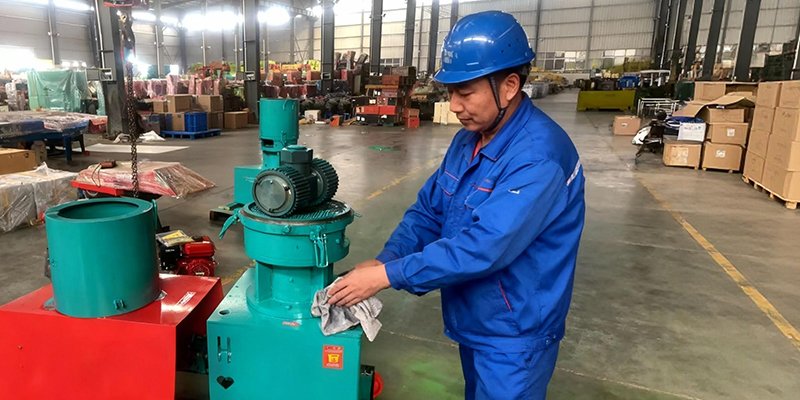
This is what we mean by the "7 parts maintenance" rule. These simple shutdown and lubrication6 habits take only a few minutes, but they are the most effective way to prevent the most common and damaging problems a pellet machine can face.
The Anti-Clogging Shutdown Procedure
Do not just turn your machine off when you are done. The residual feed mix left in the holes of the die will dry and harden. Trying to start the machine next time with a clogged die puts incredible strain on the motor and can even break the die or rollers. The solution is simple: once your feed run is complete, feed a handful of oily grinding material (or a mix of bran and cooking oil) through the machine. This material will push out all the leftover feed and leave a light, oily coating in the holes, which prevents both rust and sticking.
Essential Lubrication Management
The gearbox is the heart of your machine, running hot and under constant pressure. It relies on gear oil for cooling and lubrication6. We recommend 85W/90 heavy-duty gear oil. You should periodically check the oil level to ensure it's sufficient. For a brand new machine, it is critical to perform a complete oil change after the first 1 to 1.5 years of use. This removes any tiny metal particles that have come loose during the initial break-in period, ensuring a long and healthy life for your gearbox.
| Maintenance Task | When to Perform | Why It Is Critical |
|---|---|---|
| Cleaning with Grinding Mix | After every single use. | Prevents leftover feed from hardening and clogging the die. |
| Checking Gear Oil Level | Regularly (e.g., weekly or monthly). | Ensures the gearbox stays cool and lubricated. |
| First Gear Oil Change | After the first 1-1.5 years of use. | Removes break-in debris for long-term gear health. |
Conclusion
Mastering assembly, break-in, moisture control4, and daily cleaning is key. These habits transform your machine into a reliable asset, ensuring consistent production and preventing costly downtime for years.
Discover the critical role pressure rollers play in producing high-quality feed pellets. ↩
Understanding core components can help you identify maintenance needs and improve performance. ↩
Discover the essential features that make a feed pellet machine effective and efficient. ↩
Understanding moisture control is crucial for producing high-quality pellets and maximizing output. Explore this link to enhance your knowledge. ↩
Find out which gearbox oil can maximize your machine's efficiency and lifespan. ↩
Explore effective lubrication practices to keep your machinery running smoothly. ↩