I remember first learning about pelletizers and thinking they were simple compressors. But these machines are much more complex, transforming loose materials into uniform pellets through a precise process.
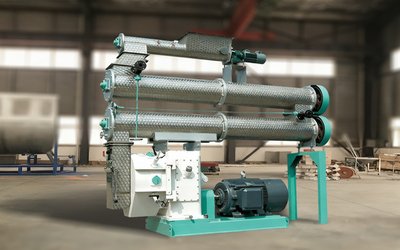
A pelletizer machine is a device that compresses raw materials like animal feed or biomass through a die, using intense pressure and heat to form dense, uniform pellets. This process improves material handling, storage stability, and nutritional value for various industrial applications.
Understanding a pelletizer machine is more than just knowing what it does. It’s about appreciating how mechanical force, heat, and precise engineering work together. To truly grasp its value, you need to look at how it works, where it's used, and what key components make it all possible. Let's dive into the details.
How does a pelletizer machine actually work?
I’ve always found the transformation process fascinating. You put in a messy pile of raw material, and perfectly formed pellets come out the other side. It’s a mix of clever mechanics and basic physics.
The machine works by feeding conditioned raw material into a chamber where rotating rollers force it through holes in a metal plate called a die. The intense friction and pressure generate heat (around 80°C), which helps bind the material together into dense, stable pellets.
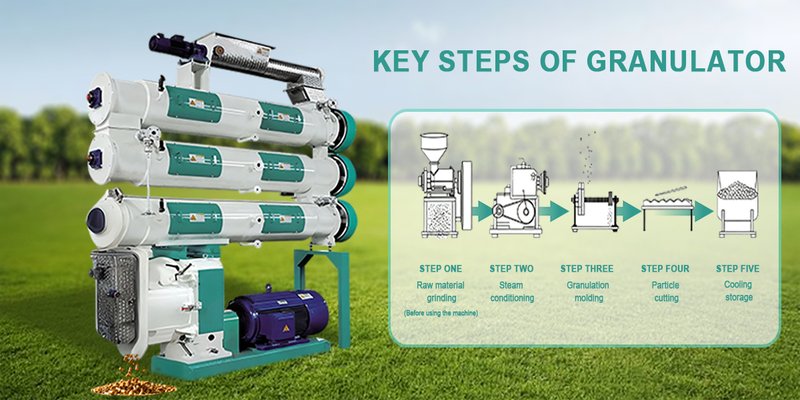
The process starts long before the material enters the pellet mill. First, raw ingredients are ground to a consistent, fine particle size. From my experience, this is a step you can't skip; uneven particles lead to weak pellets. Next, this mash enters a conditioner, where steam is injected. This adds moisture and heat, which partially cooks the starches and makes the material more pliable. The conditioned mash then falls into the pelleting chamber. Inside, rollers press the mash against the inner surface of the die. As the rollers turn, they force the material through the small holes in the die. This immense pressure and friction are what create the pellet. As the compressed material exits the die, a set of knives cuts the pellets to a predetermined length. The newly formed pellets are very hot and soft, so they are immediately sent to a cooler to harden and stabilize for storage.
Here is a breakdown of the key stages in the pelleting process:
| Stage | Process Description | Key Parameters | Purpose |
|---|---|---|---|
| Grinding | Raw materials are crushed into a fine, uniform powder. | Particle size (e.g., <3mm) | Ensures consistent mixing and compression. |
| Conditioning | The ground mash is mixed with steam in a conditioner. | Temperature (80-85°C), Moisture (16-17%) | Softens material, kills pathogens, activates binders. |
| Pelleting | Rollers press the conditioned mash through a die. | Die hole diameter, Roller pressure | Forms the dense pellets. |
| Cutting | Knives cut the extruded material to a uniform length. | Knife position, speed | Controls the final pellet length. |
| Cooling | Pellets are cooled with ambient air. | Airflow, Time | Hardens pellets and reduces moisture for storage. |
What are the most common uses for a pelletizer machine?
When I started in this industry, I thought pelletizers were only for animal feed. But I quickly learned their use is incredibly broad, solving problems in industries from energy to farming.
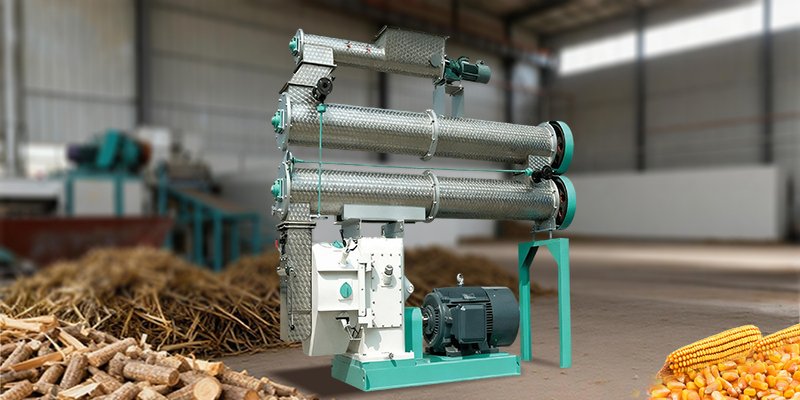
Pelletizer machines are most commonly used in the agricultural sector to produce animal feed. They are also essential in the renewable energy industry for making biomass fuel pellets from wood and agricultural waste. Other uses include producing fertilizers and other industrial materials.
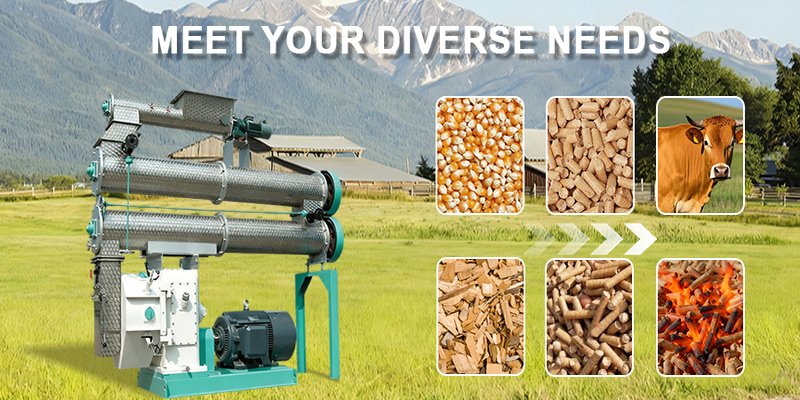
The number one application for pelletizers is, without a doubt, animal feed production. Pelleting feed prevents animals from selectively eating their favorite ingredients, ensuring they get a balanced diet in every bite. The heat from the process also increases digestibility and kills harmful bacteria. I’ve seen farms improve their feed conversion ratio by over 30% just by switching to pellets. The second major use is in the biomass industry. Pelletizers take low-density materials like sawdust, straw, and corn stalks and turn them into highly dense fuel pellets. This makes them much easier to transport, store, and burn efficiently in specialized stoves and power plants. Beyond feed and fuel, these machines are used to create slow-release fertilizer pellets, which reduce nutrient runoff into the environment. They are also used for pelletizing minerals, chemical compounds, and even plastic waste for easier handling and processing.
Here’s a look at some of the main applications:
| Industry | Raw Materials | Key Benefit of Pelleting | Example Product |
|---|---|---|---|
| Agriculture | Corn, soybean meal, wheat, vitamins | Balanced nutrition, improved digestibility, reduced waste. | Chicken feed, cattle feed |
| Renewable Energy | Sawdust, wood chips, straw, grass | Increased energy density, uniform size for automated burning. | Wood fuel pellets |
| Fertilizer | NPK compounds, organic waste | Slow, controlled release of nutrients, reduced dust. | Granular fertilizer |
| Aquaculture | Fish meal, algae, binders | Water stability, controlled sinking/floating properties. | Floating fish feed |
| Waste Management | Paper, cardboard, plastic waste | Volume reduction, easier transportation, and recycling. | Recycled material pellets |
What are the key components of a pelletizer machine?
I've spent a lot of time servicing these machines. A pelletizer is only as good as its weakest part, and understanding the core components is key to both buying and maintaining one.
The key components are the die and rollers, which perform the compression. Other essential parts include the conditioner for preparing materials, a feeder to ensure consistent flow, the main motor for power, and a cutter to control pellet length. A robust frame holds it all together.
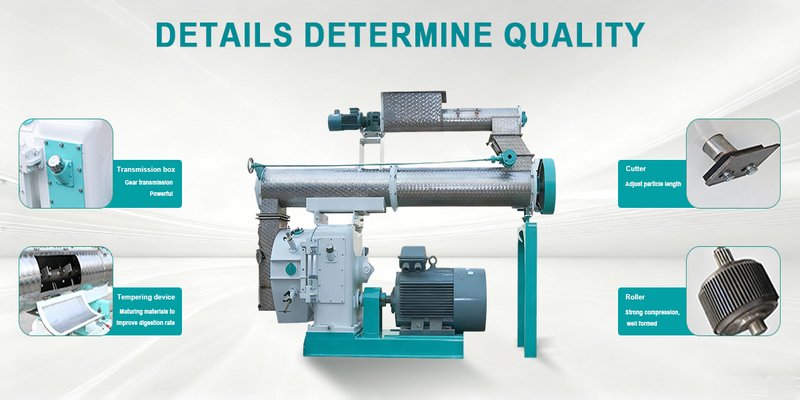
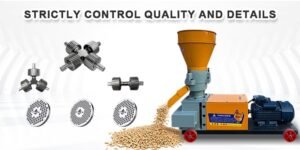
At the heart of any pelletizer are the die and the rollers. The die is a thick, heavy-duty metal plate with many holes drilled through it. The rollers are the wheels that press the raw material through these holes. From my experience at STROSEN, using high-quality alloy steel for these parts is non-negotiable, as they endure incredible wear and pressure. The conditioner sits just before the pelleting chamber. It's a mixer where steam is added to the mash, and its effectiveness directly impacts the final pellet quality. A consistent flow of material is supplied by the feeder, which is usually a screw auger. The entire system is driven by a powerful electric motor connected through a robust gearbox or belt drive system. Finally, a set of adjustable knives is mounted on the outside of the die to slice the pellets as they emerge. All of these parts are mounted on a heavy, stable frame designed to absorb the constant vibration of the machine in operation.
Here is a breakdown of the main components and their functions:
| Component | Function | Critical Feature | Sign of a Quality Part |
|---|---|---|---|
| Die | Forms the shape and diameter of the pellets. | Die thickness and hole design. | Made from heat-treated alloy steel for long life. |
| Rollers | Press raw material through the die holes. | Roller shell surface pattern and hardness. | Heavy-duty bearings and durable roller shells. |
| Motor & Drive System | Provides the power to turn the rollers. | Kilowatt (kW) rating and energy efficiency. | A reliable brand motor with a solid gearbox/belt system. |
| Conditioner | Mixes mash with steam to prepare it for pelleting. | Mixing paddles and steam injection points. | Constructed from stainless steel to resist corrosion. |
| Frame | Supports all components and absorbs vibration. | Weight and thickness of the steel. | Heavy-gauge, precision-welded steel construction. |
A pelletizer machine uses pressure and heat to turn raw materials into consistent pellets, serving critical roles in the feed, biomass, and fertilizer industries through its well-engineered components.
-300x150.jpg)