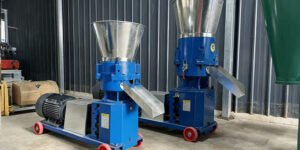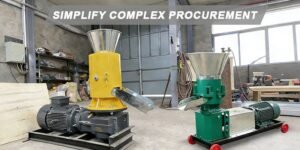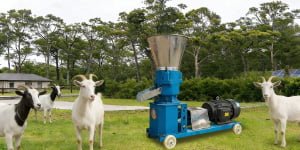
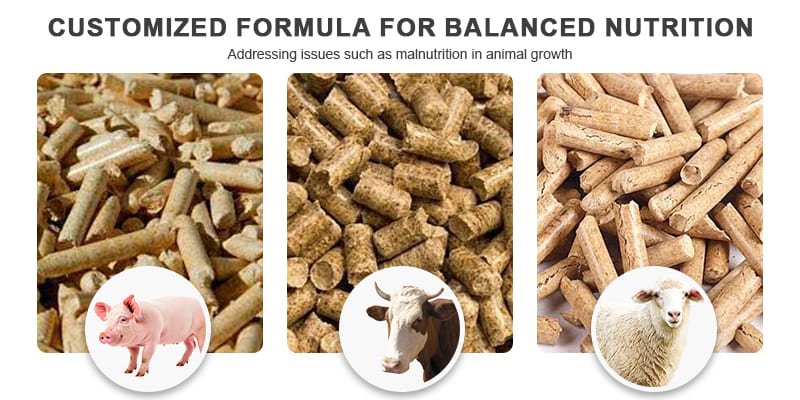
Are you looking to reduce your farm's overhead? The secret lies in moving from pre-packaged feed to self-produced pellets. In this guide, we break down the most effective animal feed formulations and provide a professional, interactive cost calculator to help you maximize your ROI using a feed pellet machine.
1. Why Professional Feed Pelleting Matters
Switching to a feed pellet mill is a strategic investment for modern livestock management. Beyond just shaping the feed, the pelleting process offers:
- Improved FCR (Feed Conversion Ratio): Pellets prevent selective feeding, ensuring animals get a balanced diet in every bite.
- Nutritional Bioavailability: The heat generated during extrusion ($70^circ C$ to $90^circ C$) breaks down complex starches for easier digestion.
- Pathogen Control: High-pressure processing effectively eliminates harmful pathogens like Salmonella.
2. 2026 High-Performance Feed Formulations
These recipes are optimized for growth efficiency and high-quality output.
A. Poultry Layer/Broiler Recipe
| Ingredient | Ratio (%) | Function |
|---|---|---|
| Yellow Corn | 60% | Energy Base |
| Soybean Meal | 22% | Protein Source |
| Wheat Bran | 10% | Fiber Content |
| Bone/Fish Meal | 3% | Calcium & Phosphorus |
| Premix/Additive | 5% | Growth Boosters |
3. Professional Feed Cost & ROI Calculator
Use our interactive tool to estimate your production costs instantly. Adjust the raw material prices based on your local market to see your potential savings.
Feed Cost Estimator
4. Choosing the Right Feed Pelletizer for Your Goals
When browsing for a feed pellet machine for sale, look for these critical factors:
- Die Material: Use high-alloy steel dies for a longer lifespan and consistent pellet quality.
- Adjustable Compression: Our machines offer adjustable compression ratios for different animal growth stages.
- Energy Efficiency: Our 2026 models reduce electricity consumption by 15% compared to traditional designs.
5. Frequently Asked Questions (FAQ)
What is the ideal moisture content for raw materials?
For most animal feed pelletizers, the moisture content should be between 12% and 18% for optimal binding and storage.
Can I process agricultural waste like corn stalks?
Yes! Our machines handle biomass like straw and grass, provided they are crushed into a powder format (approx. 3-5mm) first.
Conclusion: Take Control of Your Feed Production
Producing your own feed allows you to control the quality and the cost. From small-scale poultry feed machines to industrial ring die pellet mills, we provide the technology you need to thrive.
Get a Personalized Solution
Contact Our Engineers | View 2026 Catalog
Published by STROSEN - Leaders in Animal Feed Technology.