Commercial feed prices are eating over 70% of your budget, killing your profits. You feel trapped, watching your money disappear with every bag you buy.
Make your own high-protein chicken feed by combining cheap, local ingredients like soybean hulls and cornmeal with a nutrient premix. Using a small-scale pellet machine, like our ST-160, can cut your feed procurement costs by around 30% and give you complete control.
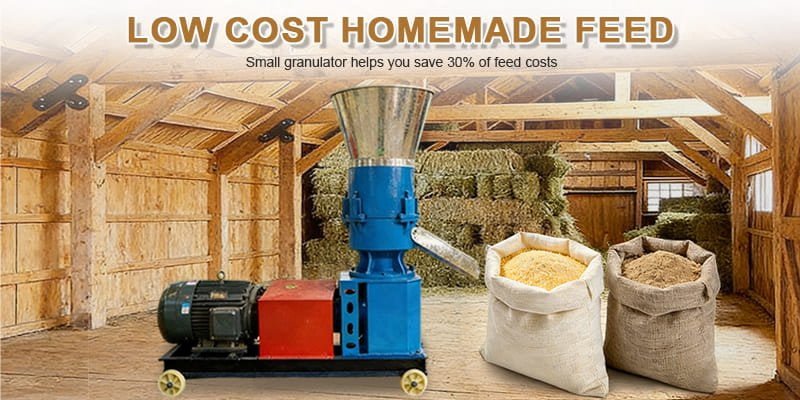
I talk to farmers every single day who are struggling with feed costs. It's the number one expense in poultry farming, accounting for over 70% of total costs. They feel stuck, forced to pay whatever price the big companies set. But then I tell them they can make their own feed, using their own local ingredients, for about 30% less than what they currently pay. At first, they don't believe it's possible for a smaller farm to do this. But it is. This is the moment they realize they can take back control of their biggest expense and turn their farm's profitability around.
Why is "formula freedom" your biggest advantage?
You're stuck buying generic feed that isn't optimized for your flock. It's expensive, and you can't even tweak the protein levels without buying a whole new, costly brand.
"Formula freedom" means you can create custom, high-protein recipes using affordable local ingredients. You can increase protein for broilers or adjust calcium for layers, directly boosting performance while dramatically cutting your costs.
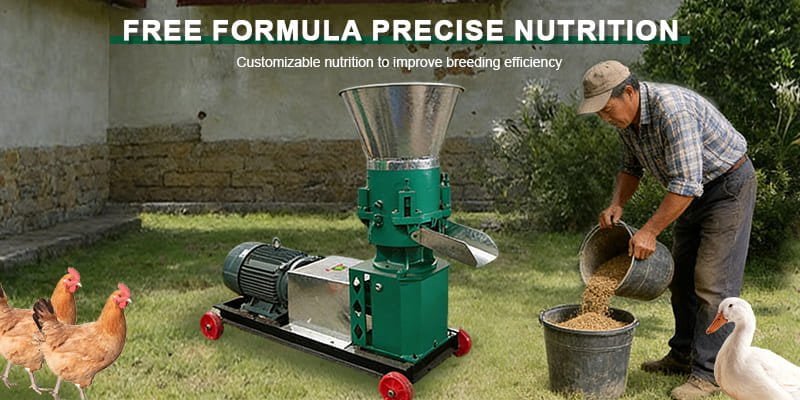
Commercial feed is made for the "average" chicken. But your flock isn't average. Your local climate, your specific breed, and your goals are unique. "Formula freedom" is the power to stop using one-size-fits-all solutions. It means you can buy inexpensive soybean hulls or sunflower meal from a local farmer, mix it with cornmeal, and add a specific vitamin-mineral premix to create a feed that is perfect for your animals. You are no longer just a price-taker; you become a feed producer. This control allows you to push for faster growth in your broilers or better shell quality in your layers. You can adjust the formula based on what ingredients are cheap this season, giving you a massive advantage over competitors who are locked into commercial prices. This is where real profit is made.
Cost Savings: Commercial Feed vs. Homemade
| Cost Component | Commercial Feed (Per Ton) | Homemade Feed (Per Ton) |
|---|---|---|
| Main Ingredients | $500 (Fixed Price) | $350 (Using Local Sources) |
| Premix & Additives | Included | $50 |
| Pelleting (Labor/Elec.) | Included | $25 |
| Total Cost | $500 | $425 |
| Savings | - | ~15-30% |
(Note: Prices are illustrative and vary by region)
What kind of machine do I need to make my own feed?
You want to make your own feed, but you imagine a massive, complicated factory. The idea feels overwhelming and out of reach for your farm, so you never even start.
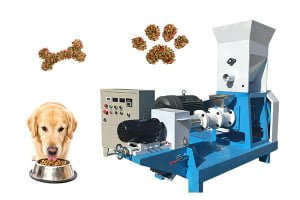
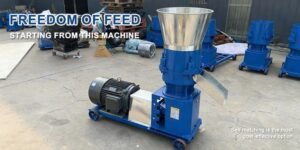
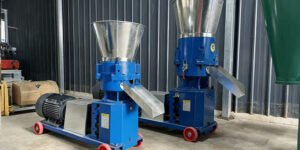
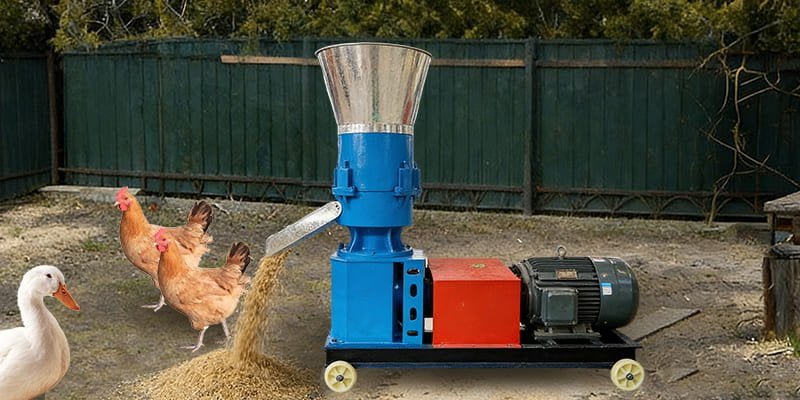
You don't need a factory. A small-scale chicken feed machine like our ST-160 or ST-210 is designed for farm use. It turns your mixed raw materials into professional, nutrient-rich pellets easily and efficiently.
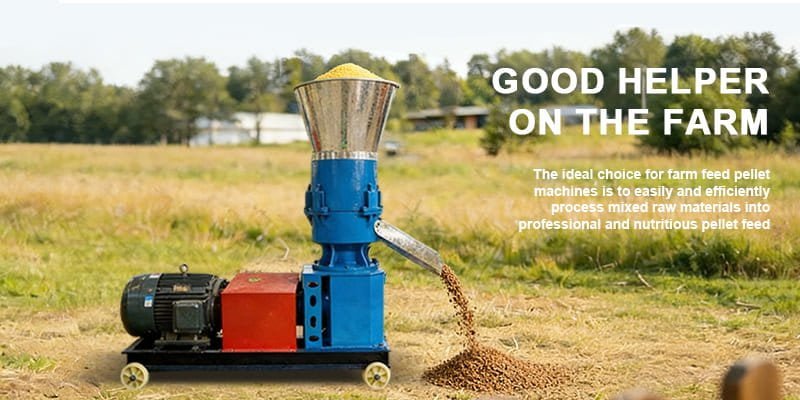
When people hear "feed manufacturing," they picture a huge industrial plant. That's not what we're talking about here. For the modern farmer, making feed pellets is incredibly straightforward. It starts with a reliable machine built for the job. Our ST-160 and ST-210 models are workhorses designed exactly for this purpose. You simply mix your dry ingredients—like cornmeal, soybean hulls, and your premix—and pour them into the machine's hopper. The machine's roller and die system uses intense pressure and heat to press this mash into dense, uniform pellets. This process not only creates the perfect feed size but also helps improve digestibility. It's a simple, one-person operation that transforms loose, dusty ingredients into a professional-grade feed product right on your farm.
Choosing Your Machine
| Model | Best For | Capacity (per hour) | Key Advantage |
|---|---|---|---|
| ST-160 | Small to medium farms (500-2000 birds) | 120-200 kg | Excellent balance of power and value. |
| ST-210 | Medium to large farms (2000+ birds) | 200-300 kg | Higher output for more demanding operations. |
How can I ensure my homemade feed is safe and nutritious?
You're worried that your homemade chicken feed won't have the right nutrients. The fear of making your flock sick or stunting their growth is holding you back from saving money.
Ensure your feed is nutritious by starting with a balanced recipe and using a quality vitamin-mineral premix. The heat from the pelleting process itself also helps sterilize the feed, making it safer for your flock.
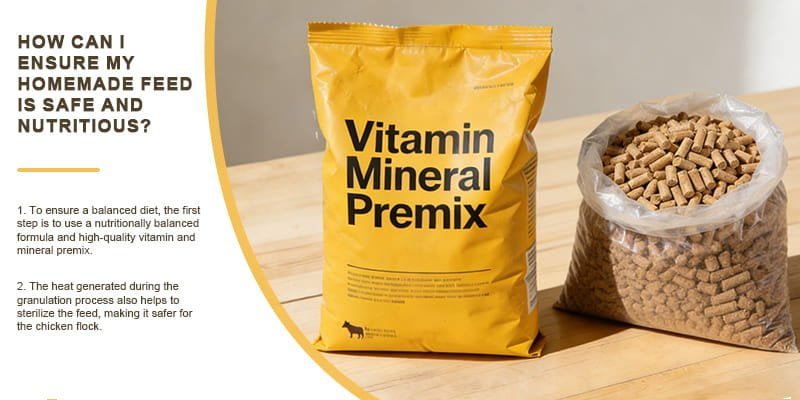
This is a very valid concern. Making safe and nutritious feed is non-negotiable. The secret isn't in having a PhD in animal nutrition; it's about following a proven system. First, start with a good recipe. You can get these from agricultural extension offices, online resources, or even from us. Second, and most importantly, never skip the premix. While corn and soy provide the protein and energy (macronutrients), the premix provides all the essential vitamins, minerals, and amino acids (micronutrients) your chickens need for healthy bones, immune systems, and egg production. Think of the premix as the "multi-vitamin" that completes the diet. Finally, the pelleting process itself adds a layer of safety. The pressure and heat (around 60-80°C) help kill some molds and bacteria that might be present in raw ingredients, making the final product more hygienic than a simple raw mash.
Conclusion
Making homemade chicken feed gives you full control over cost and quality. It’s the single most powerful step to lower your expenses and make your farm more profitable and self-sufficient.
Ready to Take Control of Your Feed Costs?
Stop letting commercial feed prices dictate your farm's profit. Click here to check our Free Feed Formula Guide & Cost Calculator to see exactly how much you can save. Let's build a more profitable future for your farm, together!