I've seen many people struggle when buying equipment online, unsure if they're getting a good deal or a future headache. The risks feel high, but they don't have to be.
To buy a cost-effective pelletizer1 online, first define your capacity and feed type needs. Next, thoroughly vet suppliers by checking their OEM experience2 and certifications like ISO 90013. Finally, compare technical specifications like motor power4 and die material5, not just the initial price.

Finding a truly "cost-effective" machine goes beyond finding the lowest price tag. It’s about securing the best long-term value for your operation. A cheap machine that breaks down constantly is the most expensive one you can buy. Let's break down how to find a machine that offers both quality and affordability, ensuring your investment pays off for years to come.
How Do You Define Your Pelletizer Needs Accurately?
I once helped a farm that bought a pelletizer that was too small. Their production was slow and inefficient. Choosing the right machine from the start is critical to avoid costly mistakes.
Define your needs by first identifying the animal type, which dictates pellet size. Then, calculate your required output capacity (kg/hr) and determine your available power source (electric, diesel). This ensures the machine perfectly matches your operational scale and avoids overspending or underperformance.
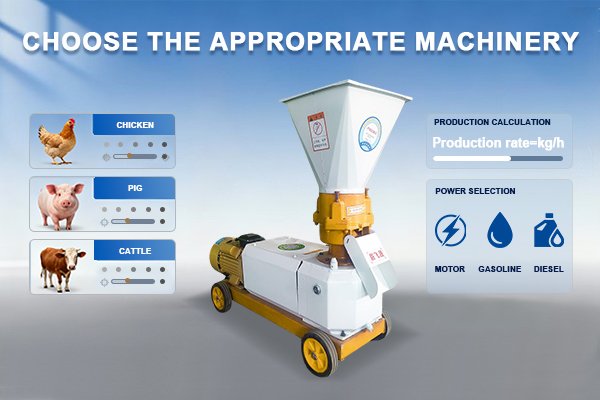
Buying the right machine starts with a clear understanding of what you need. A machine that’s perfect for a small chicken farm is completely wrong for a large cattle operation. The first step is to identify the type of animal feed6 you will produce. Poultry, swine, cattle, and aquaculture feeds all require different pellet diameters and formulations. For example, fish feed often needs to be processed differently to float. Next, you must calculate your required capacity. I always advise clients to think about their future needs, not just their current ones. If you plan to expand, a slightly larger machine might be more cost-effective in the long run. Finally, consider your power source. While electric motors are standard, I’ve worked with clients in remote areas where a reliable diesel-powered machine was the only practical choice. Getting these details right prevents you from wasting money on a machine that doesn't fit.
Here is a table to help you outline your requirements:
| Parameter | Your Requirement | Why It Matters |
|---|---|---|
| Animal Type | e.g., Poultry, Cattle, Fish | Determines required pellet diameter and density. |
| Capacity (kg/hr) | e.g., 100 kg/hr, 500 kg/hr | Matches the machine to your production scale7. |
| Pellet Diameter | e.g., 3mm, 6mm, 8mm | Must be suitable for the target animal to consume. |
| Power Source | e.g., Electric (220V/380V), Diesel | Ensures compatibility with your farm's infrastructure. |
| Raw Materials | e.g., Corn, Soy, Grass | Affects the choice between flat die and ring die models. |
What Are the Key Signs of a Reputable Online Supplier?
The internet is full of suppliers, but I've learned that not all are created equal. A bad supplier can lead to lost money and weeks of production downtime.
A reputable supplier showcases their OEM/ODM experience and holds international certifications like ISO 9001 and CE. Look for a long manufacturing history—over 20 years is a great sign—and transparent after-sales support policies. They should be able to answer detailed technical questions with confidence.
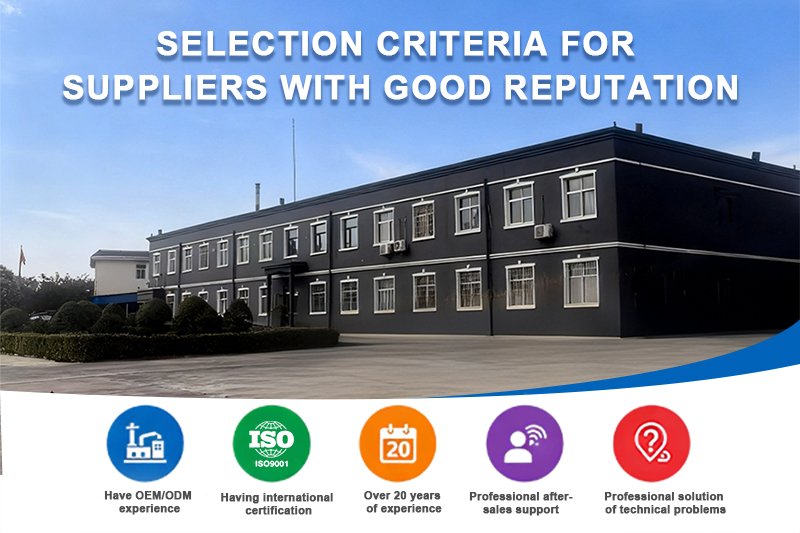
Once you know what you need, you have to find someone you can trust to build it. When I’m vetting a new supplier, I look for several key indicators. First, I check their history and experience. A company like STROSEN, with over 20 years of OEM/ODM experience, has a proven track record. It means they’ve been trusted by other brands to meet high quality standards. Second, I look for certifications. An ISO 9001 certificate shows they have a robust quality management system, and a CE mark indicates they meet European safety standards. These aren't just pieces of paper; they are proof of a commitment to quality. I also test their communication. I send them a list of detailed technical questions. A professional supplier will provide clear, knowledgeable answers. A vague or evasive response is a major red flag. Finally, I ask directly about their warranty and after-sales support, especially the availability of spare parts like dies and rollers.
Use this checklist to vet potential suppliers:
| Vetting Criteria | Yes/No | Notes |
|---|---|---|
| Years in Business (>20) | A long history indicates stability and experience. | |
| OEM/ODM Experience | Shows they are trusted by other professional brands. | |
| ISO 9001 Certification | Confirms a standardized quality management process. | |
| CE Certification | Ensures the product meets EU safety and health standards. | |
| Provides Detailed Specs | Transparency about technical details is a good sign. | |
| Clear Warranty Policy | Protects your investment against defects. | |
| Spare Parts Availability | Crucial for long-term maintenance and operation. |
How Can You Compare Technical Specifications for True Value?
I often see two machines that look almost identical online, but one costs half as much. The cheaper one usually cuts corners on quality, which leads to failure.
Compare the motor power4 (kW), the material of the die and roller (alloy steel is best), and the overall machine weight (heavier is often more robust). A machine with higher-quality components might cost more initially but will have a lower total cost of ownership due to greater durability.

The price tag doesn't tell the whole story. To understand the true value of a pelletizer, you need to look at its core components. The motor is the heart of the machine. An underpowered or low-quality motor will struggle and burn out, leading to costly downtime. Ensure the motor's power (in kW) is appropriate for the machine's stated capacity. The most critical parts for wear and tear are the die and rollers. I always insist on high-quality alloy steel that has been properly heat-treated. This ensures a service life of over 8,000 hours, as we guarantee at STROSEN. Cheaper machines often use inferior metals that wear out quickly, forcing you to buy expensive replacement parts frequently. Finally, look at the machine's overall weight and build. A heavier machine usually indicates a more robust frame and thicker steel, which helps it withstand the intense vibration and pressure of pelleting. This build quality reduces wear and extends the machine's life.
This table highlights key specifications to compare:
| Specification | Lower-Cost Option | Higher-Value Option (Recommended) | Why It Matters for Cost-Effectiveness |
|---|---|---|---|
| Die/Roller Material | Standard Steel | Heat-Treated Alloy Steel | Alloy steel lasts significantly longer, reducing replacement costs. |
| Motor Quality | Generic, lower efficiency | Brand-name, high efficiency | A better motor uses less energy and is less likely to fail. |
| Bearing Quality | Standard bearings | High-load industrial bearings | Prevents critical failures and reduces maintenance needs. |
| Frame Construction | Thinner steel, bolted frame | Heavy-duty steel, precision-welded frame | A robust frame handles vibration better, extending total lifespan. |
| Guaranteed Lifespan | Not specified or <1000 hrs | >8,000 hrs on key parts | A clear lifespan guarantee reflects the manufacturer's confidence. |
Conclusion
Buying a cost-effective pelletizer1 online requires looking past the price. It's about defining your needs, vetting your supplier, and analyzing the quality of the components for long-term value.
Explore this link to understand what makes a pelletizer cost-effective and how to choose the right one. ↩
Learn about OEM experience and why it matters when selecting a supplier for your pelletizer. ↩
Discover the importance of ISO 9001 certification in ensuring quality and reliability in manufacturing. ↩
Find out how motor power impacts the efficiency and effectiveness of pelletizers. ↩
Understand the significance of die material in pelletizer durability and performance. ↩
Explore the various types of animal feed and their specific requirements for pelletizers. ↩
Learn how to accurately assess your production scale to select the right pelletizer. ↩