You want to take control of your animal feed, but the thought of startup costs is overwhelming. Big industrial feed mills cost millions, leaving you wondering if a smaller-scale operation is even affordable.
The cost to start a feed mill depends entirely on your scale. You can begin with a small setup for just a few hundred dollars, centered around the pellet machine itself, and expand from there.
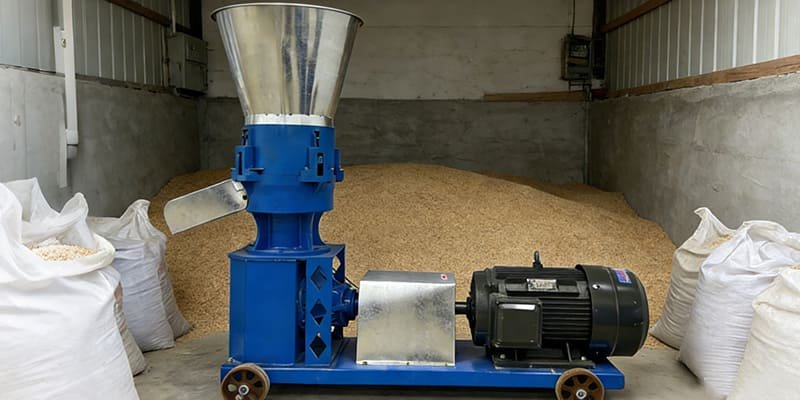
Starting your own feed production is one of the smartest financial moves a farmer can make. It gives you complete control over ingredients, lowers your long-term costs, and improves the health of your livestock. But getting started requires a budget. The good news is that it's far more scalable than you might think. Let's break down the costs, starting with the heart of the operation: the animal feed pellet machine.
What Determines the Animal Feed Pellet Machine Price?
You see a feed pellet machine for sale1 online, but the prices are all over the place. How do you know if you're getting a good deal or paying for features you don't even need?
The price is driven by three main factors: its production capacity (how much feed it makes per hour), its power source and requirements, and the quality of its core components like the die and rollers.
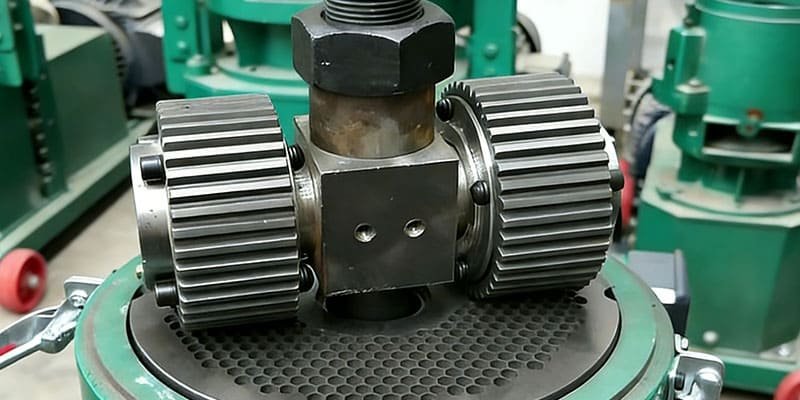
When you're looking at an animal feed pellet machine for sale1, understanding these factors helps you choose the right model for your budget and needs.
- Capacity (Output per Hour): This is the most significant cost factor. A machine that produces 70kg/h is perfect for a homesteader, while a small farm might need a model that can produce 400kg/h. Your required capacity is directly tied to your herd size.
- Power System: The size of the electric motor or diesel engine directly impacts the price. Higher capacity machines require more powerful motors to handle the workload, which increases their cost.
- Build Quality: The materials used for the die and rollers are critical. High-quality alloy steel components last longer and produce more consistent pellets, offering a better return on your investment. A lower small animal feed pellet machine price2 might mean lower-quality parts that wear out quickly.
Can I See a Price List for Different Models?
Vague advice doesn't help you create a budget. You need real numbers to know what you can afford and how to plan your investment for the best animal feed pellet machine price3.
Absolutely. A small feed pellet machine price4 can be under $300, while larger, more powerful models cost several thousand. Here is a transparent price list for our most popular flat die mills.
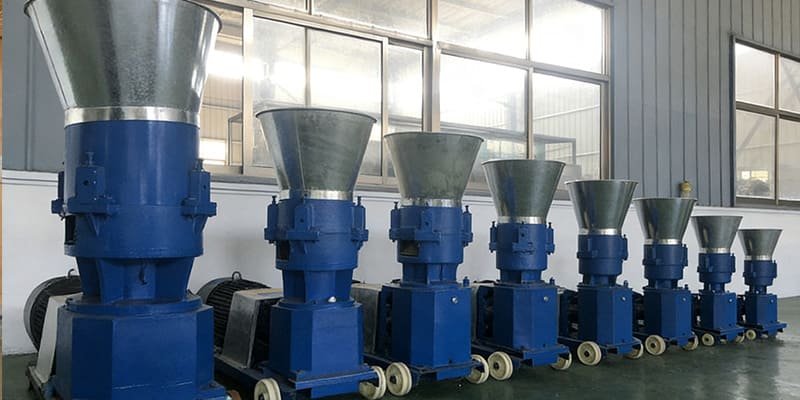
To give you a clear idea of what to expect, we believe in transparent pricing. The table below details the specifications and ex-factory prices for our ST-series models. "Ex-Factory" means this is the price for the machine itself at our facility; shipping and taxes are additional costs to consider.
| Model | Capacity (kg/h) | Power (KW) | Voltage | Rollers | Die Size (mm) | Unit Price (USD) | Packaging (USD) | Total Price (USD) |
|---|---|---|---|---|---|---|---|---|
| ST-125 | 30-70 | 4.5 | 220V | 2 | 2.5~8 | $220.59 | $16 | $236.59 |
| ST-150 | 90-150 | 4.5 | 220V | 2 | 2.5~8 | $256.00 | $16 | $272.00 |
| ST-160 | 150-200 | 5.5 | 220V | 3 | 2.5~8 | $266.00 | $16 | $282.00 |
| ST-210 | 200-300 | 7.5 | 380V | 2 | 2.5~8 | $418.00 | $28 | $446.00 |
| ST-230 | 300-400 | 11 | 380V | 3 | 2.5~8 | $559.00 | $31 | $590.00 |
| ST-260 | 400-500 | 15 | 380V | 3 | 2.5~8 | $725.00 | $42 | $767.00 |
| ST-300 | 600-800 | 22 | 380V | 4 | 2.5~8 | $1,142.00 | $81 | $1,223.00 |
| ST-360 | 800-1000 | 22 | 380V | 4 | 2.5~8 | $1,350.00 | $90 | $1,440.00 |
| ST-400 | 1000-1500 | 37 | 380V | 4 | 2.5~8 | $2,158.00 | $117 | $2,275.00 |
| ST-500 | 2000-3000 | 55 | 380V | 4 | 4~10 | $3,236.00 | $162 | $3,398.00 |
This list makes it easy to find a pellet machine for sale that fits your exact production needs and budget. As you can see, starting small is very accessible.
What Other Costs Are Involved Besides the Machine?
You've budgeted for the pellet machine, but you worry hidden costs will derail your project. Buying the machine is just the first step, and overlooking other needs can stop you in your tracks.
Beyond the machine, you need to budget for a grinder to prepare materials, a mixer for consistent formulas, storage for ingredients and pellets, and the initial stock of raw materials.
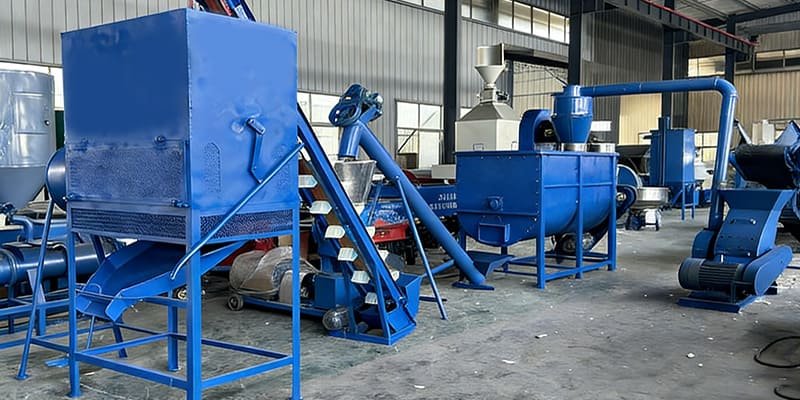
To set yourself up for success, it’s important to plan for the full production line, even if you start with the basics. Here are the other key investments to consider:
- Grinder or Hammer Mill: Raw materials like grain and hay must be ground into a fine, consistent powder before pelleting. A hammer mill is essential for this step.
- Feed Mixer: To ensure every pellet contains a balanced nutritional profile, your ground ingredients must be thoroughly blended. A feed mixer5 automates this task and guarantees consistency.
- Storage Solutions: You will need bins or sealed containers to keep your raw materials dry and pest-free, as well as a place to store your finished pellets.
- Initial Raw Materials: Your first large purchase of bulk ingredients like corn, soy, and hay is a significant startup operating cost.
You can start with just the pellet machine and prepare materials by hand on a very small scale, but planning for these additional pieces of equipment will allow you to scale up efficiently.
Conclusion
Starting a feed mill is a scalable investment. You can begin with a small machine for under $300 and grow from there. The key is to create a realistic budget based on the machine and essential support equipment.
Explore this link to find a variety of feed pellet machines that suit your needs and budget. ↩
Check this resource for insights on small animal feed pellet machine prices to help you budget effectively. ↩
Discover competitive pricing and options for animal feed pellet machines to make an informed purchase. ↩
This link provides a comprehensive list of small feed pellet machine prices to aid in your decision-making. ↩
Discover the role of a feed mixer in ensuring nutritional consistency in your animal feed. ↩