Confused by vague pricing online? This makes budgeting impossible and puts you at risk of making a bad investment1. Understanding the key factors helps you budget accurately and choose wisely.
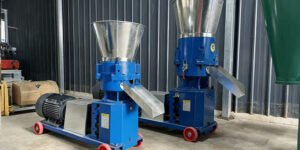
A small animal feed pellet machine can cost anywhere from $1,000 to over $100,000. The price depends heavily on production capacity2, power source3 (electric, diesel), and the quality of core components4 like the die and rollers. The right choice balances cost with long-term value.
I often speak with procurement managers from large agricultural enterprises, the kind of people managing budgets that run into millions of dollars. They tell me the biggest frustration is the huge price variation they see online for what looks like the same machine. A seemingly identical mill can be listed for $3,000 on one site and $8,000 on another. This isn't a mistake. The price is a signal about the machine's true quality and capability. Let's pull back the curtain and look at what really goes into the price tag, so you can make a decision that benefits your brand's reputation and bottom line.
What Factors Actually Determine the Price of a Feed Pellet Machine?
Struggling to compare quotes that don't make sense? A low price might be tempting, but it often hides poor quality that will cost you more in downtime and repairs.
The price is mainly determined by three things: production capacity2 (kg/hour), the power system (motor or engine type), and the material quality of the core components4. Higher capacity and stronger, more durable materials will always result in a higher, more valuable machine.
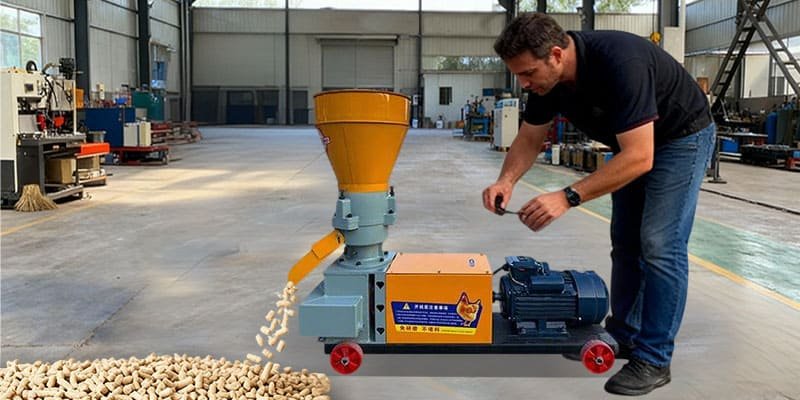
As a manufacturer with 16 years of OEM experience5, I can tell you that the price is a direct reflection of what goes into the machine. You are not just buying a piece of equipment; you are investing in a production capability. A brand manager in the US or Germany knows that reliability is key to their reputation. The initial price is only one part of the equation. The real cost—the total cost of ownership6—is what matters. A cheaper machine that fails after 500 hours is far more expensive than a quality machine that runs for 8,000 hours without issue.
Here’s a breakdown of the main cost drivers:
- Production Capacity: A machine designed to produce 100 kg/hour is much smaller and simpler than one built for 1,000 kg/hour. The larger machine requires a more powerful motor, a heavier frame, and more robust components to handle the increased load.
- Power Source: Electric motors are generally the most cost-effective option. Diesel engines cost more upfront but provide essential flexibility for off-grid operations, a feature my clients in rural Kenya and Iraq depend on. PTO drives fall somewhere in between, leveraging a tractor you already own.
- Core Component Quality: This is the most important hidden factor. We use high-alloy steel for our dies and rollers, which then undergo a specific heat treatment process. This costs more than using basic cast iron7, but it’s the reason our parts last for thousands of hours under extreme pressure.
| Factor | Low-Cost Option | High-Value Option (Our Standard) | Impact on Price |
|---|---|---|---|
| Capacity | 100-200 kg/h | > 400 kg/h | Major |
| Power Source | Electric Motor | Diesel Engine | Moderate |
| Die & Roller | Cast Iron / Standard Steel | Heat-Treated Alloy Steel | Major (Affects Longevity) |
Is a Smaller, Cheaper Feed Pellet Machine a Good Investment?
Tempted by a machine under $2,000? It seems like a low-risk way to start, but if it fails quickly, you’ve wasted both your money and your valuable time.
A small machine (75-250 kg/h) is an excellent investment1 for small farms or for R&D, but only if it's built well. Focus on models with high-quality alloy steel dies and rollers, even in a smaller size, to ensure durability and good performance.
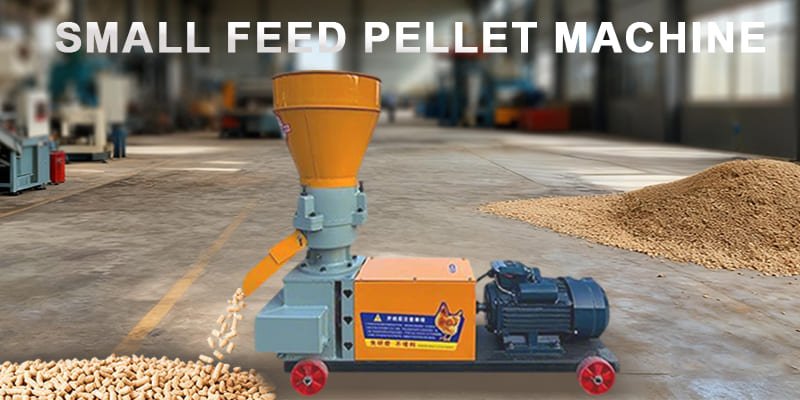
You can find machines online in the $1,000 to $5,000 range. For a small farm or a large brand looking to test new feed formulas, this can be a very smart purchase. However, this is the price range where you must be the most careful. Many low-cost machines8 cut corners on the most critical parts: the die and the rollers. They might use untreated steel or basic cast iron7. These parts will wear out incredibly fast, your pellet quality will be poor, and you'll be looking for a replacement in less than a year. A good investment1, even at a lower price point, is a machine built by a real manufacturer who uses the same quality principles across their entire product line. At STROSEN, even our smallest models use heat-treated alloy steel9 wear parts because we know that performance and reliability matter at every scale. A purchase for R&D needs to be reliable to produce valid test results.
| Feature | Typical "Cheap" Machine (<$1,500) | Quality Small Machine ($2,000+) | Why It Matters for Investment |
|---|---|---|---|
| Die Material | Cast Iron | Heat-Treated Alloy Steel | Determines lifespan and pellet quality. |
| Motor Quality | Unbranded, low efficiency | Certified, copper wire motor | Affects power consumption and reliability. |
| Frame & Welds | Thin steel, basic welds | Thicker steel, precision welding | Defines overall machine durability. |
| Supplier Support | Minimal or none | Warranty, parts availability | Protects your initial investment1. |
Why Does the Price Vary So Much Between Suppliers?
You see two machines with the same specs but a 50% price difference. This confusion makes you doubt the entire market and puts your procurement process on hold.
The price difference comes from who you're buying from. A manufacturer like us has higher standards for materials, QC, and R&D. A simple trading company often competes only on price, offering a lower-quality product with no real long-term support.
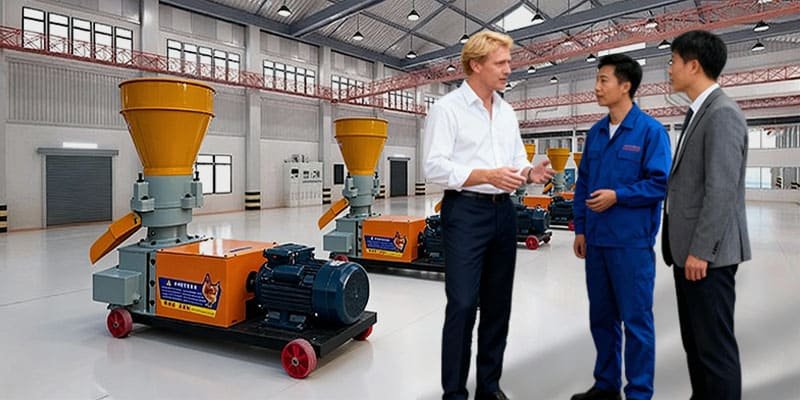
When a procurement manager is sourcing equipment, they aren't just buying a box. They are forming a partnership. The price you are quoted is a direct signal of the type of partner you are getting. As an OEM/ODM manufacturer for global brands, our price reflects our entire quality system. We have 5 production lines, each with a dedicated QC officer with over 8 years of experience. We hold ISO 9001 and CE certifications10. We invest in R&D to improve efficiency. This all costs money, and it’s built into the price to guarantee a reliable, high-performing product.
A trading company, on the other hand, often buys the cheapest available machine from various small factories that may not have these standards. Their primary goal is to sell a unit with the highest possible margin. They don't control the manufacturing or the quality. When something goes wrong, they often don't have the engineers or the spare parts to help you. That huge price difference you see is the cost of quality, reliability, and peace of mind.
| Aspect | Manufacturer (STROSEN) | Trading Company / Reseller | The Value to You |
|---|---|---|---|
| Quality Control | ISO 9001 system, onsite QC | None or minimal | Reduces risk of receiving a faulty unit. |
| Technical Support | Direct access to engineers | General sales staff | Faster and more effective problem-solving. |
| Spare Parts | Guaranteed availability | Uncertain | Ensures minimal downtime for your business. |
| Customization | OEM/ODM solutions offered | Sells standard "off-the-shelf" units | Get a machine tailored to your exact needs. |
How Can You Get the Best Price Without Sacrificing Quality?
You need to find the best possible value for your budget, but you're afraid of being tricked by a low price that hides poor quality. This pressure can lead to a bad decision.
To get the best value, demand a detailed quote11 that specifies the materials of the die and rollers. Compare machines based on total cost of ownership6, not just the initial price. Always choose a supplier with verifiable certifications10 and a strong warranty12.
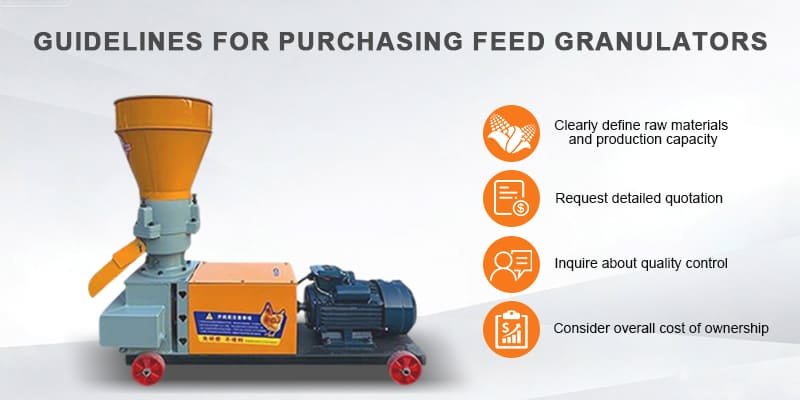
The goal is not to find the cheapest machine. The goal is to get the best return on your investment1. In my 16 years in this industry, I've seen that the most successful clients are the ones who ask the right questions. Here is how you can do the same.
- Be Specific in Your Request: Don't just ask for a "feed pellet machine." Specify your main raw materials (e.g., 60% corn, 20% soy, 20% grass) and your required capacity in kg/hour. This allows the supplier to recommend the right machine.
- Demand a Detailed Quote: Go beyond the price. Ask for a spec sheet that lists the material of the die and rollers (look for "alloy steel" and "heat-treated"), the motor brand and power, and the machine's net weight (a heavier machine is often a sign of a more robust build).
- Ask About Quality Control: Ask them, "What certifications10 do you have? Can you describe your quality control13 process before shipment?" A reputable manufacturer will be proud to answer this. We conduct full-function tests on every machine before it leaves our factory.
- Think About Total Cost of Ownership (TCO): Ask about the expected lifespan of wear parts and the cost of replacements. A slightly higher initial price for a machine with a die that lasts 8,000 hours is a much better deal than a cheaper machine whose die fails after 800 hours. This is the kind of analysis that protects your brand and your investment1.
Conclusion
A machine's price reflects its true value. To get the best return, focus on component quality and supplier reliability, not just the sticker price on the machine.
Explore strategies to make informed investment decisions in feed pellet machines. ↩
Learn how production capacity influences pricing and performance in feed pellet machines. ↩
Discover the pros and cons of various power sources for feed pellet machines. ↩
Understanding core components can help you make informed purchasing decisions. ↩
Understand the value of OEM experience in ensuring quality and reliability. ↩
Learn how total cost of ownership impacts your investment in feed pellet machines. ↩
Learn about the limitations of cast iron compared to higher-quality materials. ↩
Understand the potential pitfalls of opting for low-cost machines. ↩
Find out why heat-treated alloy steel is crucial for durability and performance. ↩
Learn about essential certifications that indicate quality and reliability. ↩
Learn what to look for in a detailed quote to ensure transparency and value. ↩
Explore the importance of warranties in safeguarding your investment. ↩
Explore the significance of quality control in ensuring reliable machinery. ↩