You've invested in new machinery, but now you worry. Will your equipment survive the long journey, or will it arrive damaged and delayed, disrupting your entire production schedule?
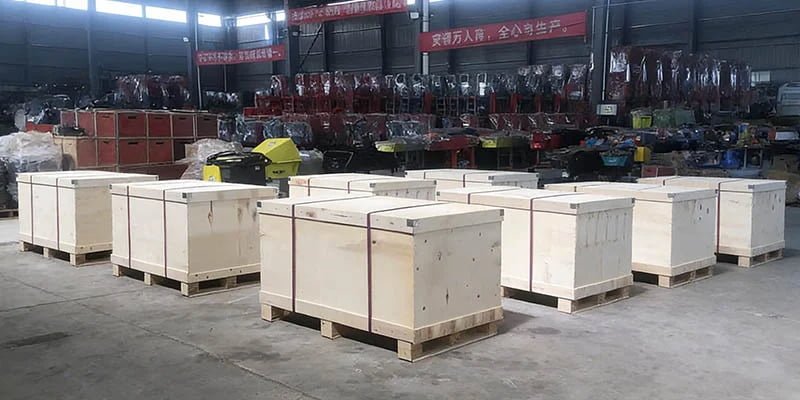
We protect your machine by wrapping it in industrial stretch film1 and then securing it inside a custom-built, fumigated wooden crate2 that is reinforced for safe international shipping.
As a procurement manager, you need assurance that your equipment will arrive in perfect, ready-to-use condition. The risk of damage during transit is a major concern, as it can lead to project delays and unexpected costs. At STROSEN, we have a streamlined, robust packaging protocol designed to protect your machinery from our factory to your facility, no matter the distance. This guide details our protective process.
How Is the Machine Protected Against Moisture and Scratches?
A long sea voyage exposes machinery to moisture, dust, and vibrations. These elements can cause surface damage before the machine is even switched on, affecting its appearance and function.
The entire machine is tightly wrapped in multiple layers of industrial stretch film1. This creates a strong, protective barrier against environmental factors like moisture, dust, and minor scratches during transit.
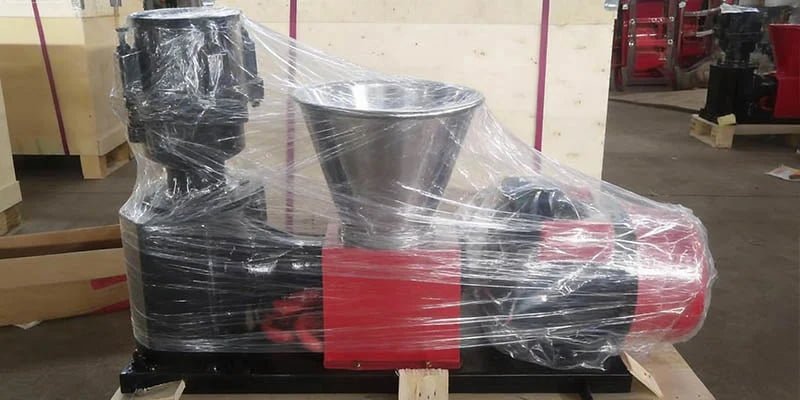
This initial protective layer is crucial for maintaining the machine's condition. The air inside a shipping container can be humid, but the stretch film acts as a waterproof seal, preventing moisture from reaching the machine's surface. This is vital for protecting the paint, motor casing, and other sensitive components. This tight wrap not only keeps the machine clean but also provides a cushioned layer that guards against the scuffs and scratches that can occur from subtle movements during the long shipping journey. This simple but effective step is our first line of quality assurance, ensuring your machine arrives looking and functioning as new.
What Type of Wooden Crate Do You Use for Export?
Logistics providers and customs officials have strict rules for packaging. An incorrect or non-compliant crate can be rejected, leading to significant delays, storage fees, and re-packaging costs at the port.
We only use heavy-duty, fumigated plywood crates that comply with the ISPM 15 international standard3. Each crate is custom-built for a snug fit, ensuring a smooth and hassle-free customs clearance process.
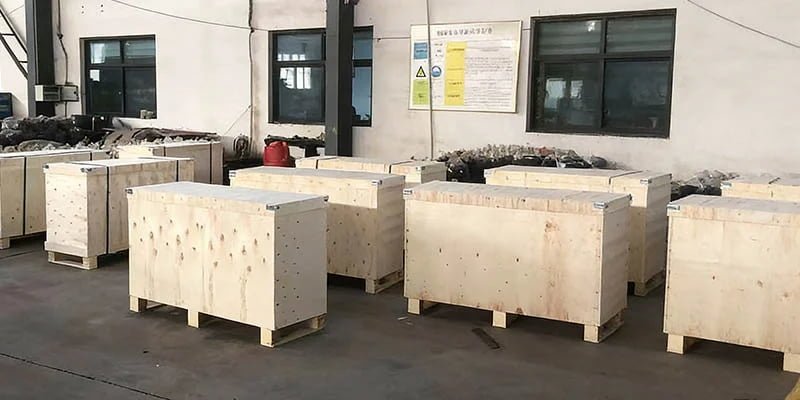
The outer crate is the machine's primary structural defense. We fabricate a unique plywood crate for every order, ensuring it perfectly matches the machine's dimensions. This custom fit prevents the equipment from shifting or vibrating excessively. Most importantly, all our wood packaging materials are treated according to International Standards For Phytosanitary Measures No. 15 (ISPM 15). This is a legal requirement for most countries to prevent the spread of wood pests. Each crate is stamped with the official ISPM 15 mark, guaranteeing it will pass customs inspections without any issues or costly delays.
How Is the Crate Designed for Easy and Safe Handling?
The machine has arrived, but it's inside a heavy, sealed crate. Without proper design, your team may struggle to unload it safely, risking damage to the machine or injury to personnel.
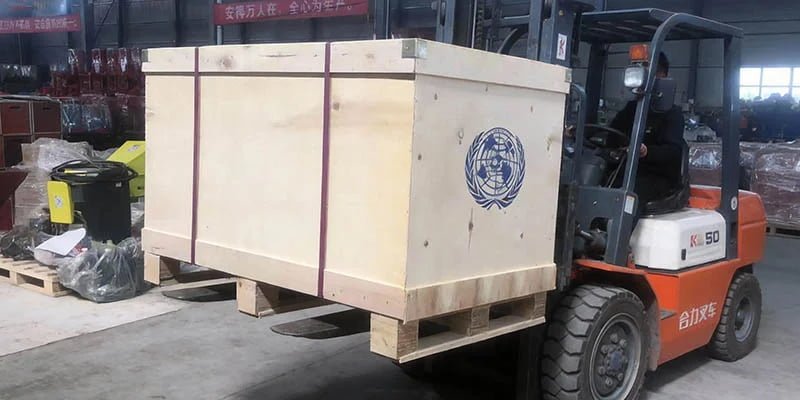
Our crates are built with a reinforced base4 specifically designed for easy and safe forklift access. We also mark each crate with clear, international handling symbols5 to guide your team on proper lifting procedures.
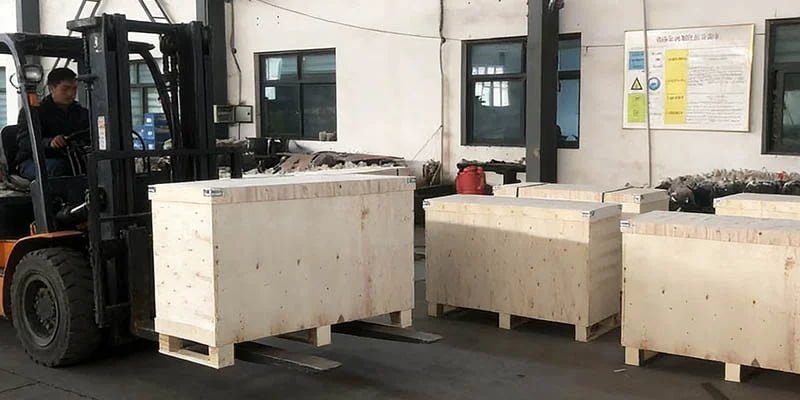
We design our packaging with the final destination in mind. The bottom of each crate includes integrated supports that create clear slots for forklift tines. This allows your on-site team to lift and move the crate smoothly and securely. It greatly reduces the risk of the crate being dropped or tipping over during unloading. In addition, we label the exterior with universally recognized logistics symbols (ISO 780). These symbols indicate "This Way Up," "Fragile," and "Keep Dry" to ensure that any handler, anywhere in the world, understands exactly how to manage your valuable shipment, minimizing the risk of human error.
How Are Spare Parts and Documents Secured?
You've opened the crate, but the user manual, tools, or the extra die you ordered can't be found. The machine is unusable until these critical items are located, disrupting your setup schedule.
All spare parts, tools, and documents are carefully secured inside the main crate to prevent movement. For added protection and organization, we also offer custom packaging with a separate reinforced cardboard box upon request.
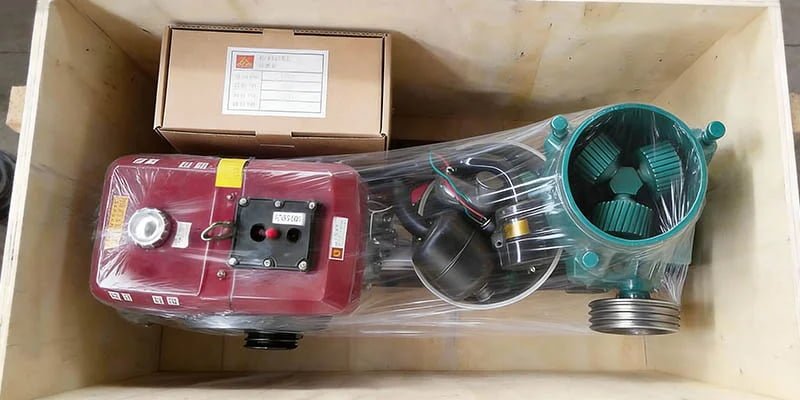
Loose items are a liability during shipping. To prevent them from causing damage, we securely fasten all accessories like spare dies, rollers, and tool kits within the crate. This ensures they cannot shift or strike the main unit during transit. We understand that some clients have specific receiving protocols or prefer extra organization. For this reason, we offer a customized packaging solution where all smaller items are consolidated into a clearly labeled, heavy-duty cardboard box. This option keeps everything neatly contained and simplifies your inventory process upon arrival. Just let our team know your preference when placing your order.
Conclusion
Our streamlined packaging system ensures your machine is protected from moisture, physical damage, and logistical issues, guaranteeing your investment arrives safely and is ready for immediate operation.
Explore how industrial stretch film provides a protective barrier for machinery during shipping. ↩
Learn about the significance of fumigated wooden crates in preventing pest infestations during transport. ↩
Understand the ISPM 15 standard and its role in ensuring compliance for international shipping. ↩
Learn about the importance of a reinforced base for safe handling and transport of heavy machinery. ↩
Understand how international handling symbols help ensure safe and proper handling of shipments. ↩