Ever wondered how a machine takes messy powder and turns it into uniform pellets? It seems almost like magic, but this process can make or break your feeding efficiency.
The core principle is simple: intense mechanical pressure1. A pellet machine forces conditioned, powdery raw material through the small holes of a die, compressing it into dense pellets. This process uses friction and heat to create a firm, valuable feed product.
Understanding this is the first step. But as a manufacturer with 15 years of experience, I know the real magic is in the details of how different machines achieve this. The two most common types, ring die and flat die, do the same job in very different ways. Knowing this difference is key to choosing the right machine for your farm. Let's explore how each one works.
How Does a Ring Die Machine Achieve High-Volume Pellet Production?
Large-scale farms and commercial feed mills need speed and consistency. Any bottleneck in pellet production means lost time and money, which you simply can't afford.
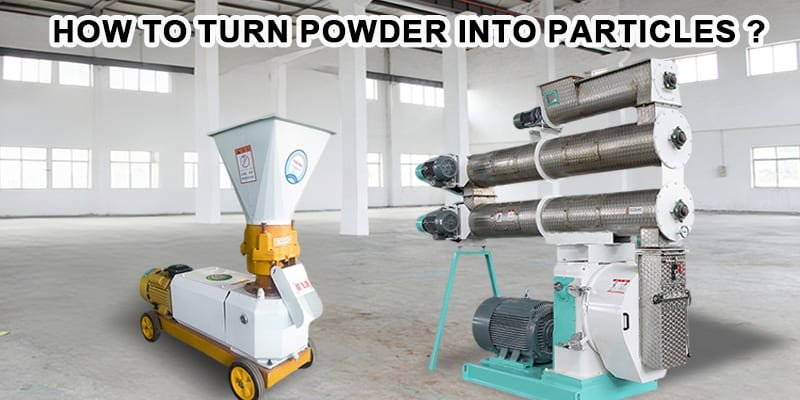
A ring die machine2 uses a high-speed, vertically rotating die with stationary rollers inside. As material enters, the rotating die creates immense pressure against the rollers, rapidly forcing the feed through hundreds of holes at once, ensuring high efficiency and output.
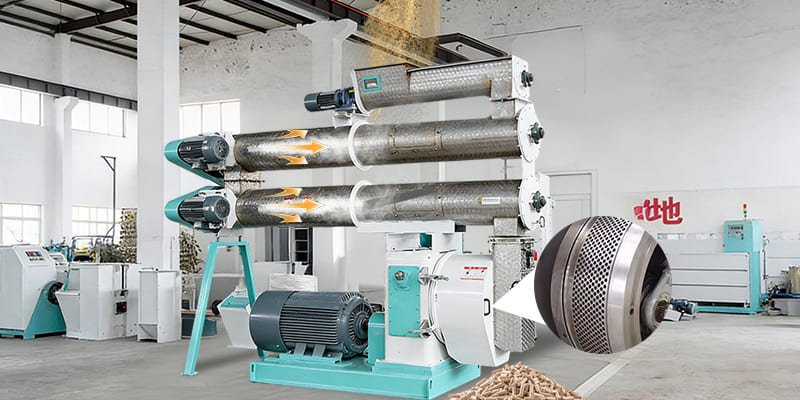
This design is the go-to choice for industrial-scale production for a reason. It's built for power and endurance. The process is a beautifully efficient system that I've seen perfected over decades. Let's break it down into its three crucial stages.
Step 1: Conditioning the Material
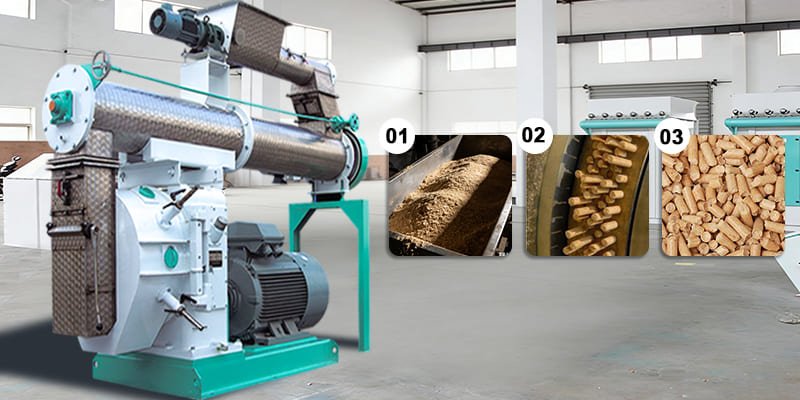
Before it even reaches the die, the raw powder (like corn, soy meal, or straw) enters a conditioner. Here, it’s mixed with steam or hot water. This raises the material's temperature to 60-80°C and its moisture to around 12-15%. This step is vital because it softens the fibers and helps gelatinize the starches, which act as a natural glue. It also kills some harmful bacteria, making the feed safer.
Step 2: High-Pressure Extrusion
The warm, moist material then drops into the pelleting chamber. Inside, the ring-shaped die spins at high speed around 2-4 fixed pressure rollers. As the die rotates, it pulls the material into the gap between itself and the rollers. This creates incredible pressure—up to 10 MPa—that forces the material through the small holes in the die. The friction inside these holes generates more heat, further forming the pellets as they are squeezed out.
Step 3: Cutting to Length
As solid strips of feed are continuously pushed out from the exterior of the rotating die, adjustable cutters are waiting. These knives slice the strips into uniform pellets. You can easily control the final pellet length by changing the distance between the cutter and the die.
| Stage | Action | Purpose |
|---|---|---|
| Conditioning | Mix raw material with steam/water. | Soften fibers, activate natural binders, increase plasticity. |
| Extrusion | Squeeze material between a rotating die and fixed rollers. | Apply immense pressure to form dense pellets at high speed. |
| Cutting | Slice the extruded strips with an external knife. | Create uniform pellets of a desired, consistent length. |
What Makes a Flat Die Machine Perfect for Smaller Farms?
Not everyone needs a massive industrial machine that churns out tons of feed per hour. For smaller farms or custom feed makers, that kind of investment is simply overkill.
A flat die machine3 works by using rotating rollers that press material down through a stationary, horizontal die plate. This simpler, direct-pressure design is more flexible, easier to operate, and perfectly suited for small- to medium-scale production needs.
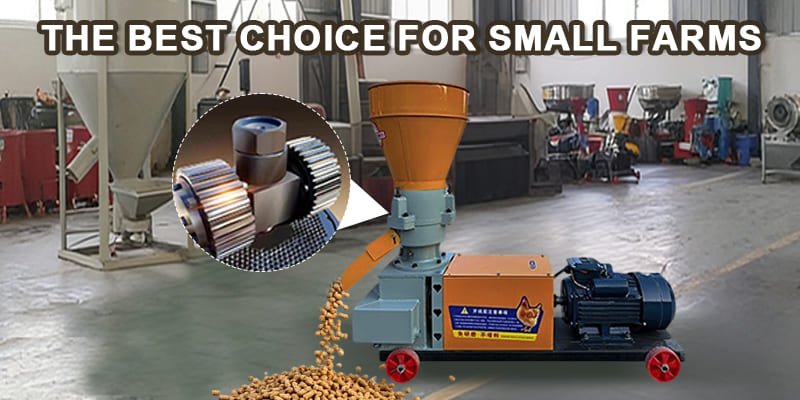
The beauty of the flat die machine3 is its straightforward design. I've worked with countless smaller operations, from family farms to local co-ops, that rely on these machines for their flexibility and reliability. The principle is similar to the ring die, but the mechanics are flipped.
Step 1: Material Conditioning
Just like with a ring die machine2, the raw material must first be conditioned. Achieving the right moisture and temperature is essential for creating quality pellets. You mix the raw powder with the right amount of water until it's pliable and ready for pressing. This ensures the material will bind together properly under pressure.
Step 2: Downward Pressure Extrusion
Once conditioned, the material is spread over a horizontal, stationary die plate. Above this plate, a set of rollers, driven by the main shaft, begin to rotate. As the rollers travel across the flat die, they pull the material underneath and use their own weight and force to press it down into the holes of the die plate. The material is compacted inside these holes and emerges from the bottom as solid strips.
Step 3: Cutting and Sieving
Located just below the flat die, a set of rotating knives cuts the emerging strips into pellets. Many modern flat die machine3s, like some of our STROSEN models, also have a built-in sieve. This screen catches any powder or improperly formed pieces and sends them back into the hopper for reprocessing. This ensures that the final product you get is clean and uniform.
| Feature | Flat Die Machine | Ring Die Machine |
|---|---|---|
| Core Action | Rotating rollers, stationary die | Stationary rollers, rotating die |
| Pressure Direction | Vertical (downward) | Centrifugal (outward) |
| Best For | Small/medium farms, custom feed | Large feed mills, industrial output |
| Complexity | Simpler, easier to maintain | More complex, higher throughput |
Why Go Through All This Trouble to Make Pellets Anyway?
You might wonder if turning powder into pellets is worth the effort. Feeding loose mash seems easier, but it leads to significant waste and nutritional imbalances for your animals.
Pelleting is a high-value process. It concentrates nutrients, stops animals from picky eating, reduces feed waste4, and makes feed far easier to store and transport. This directly boosts animal health5 and improves your farm's bottom line.
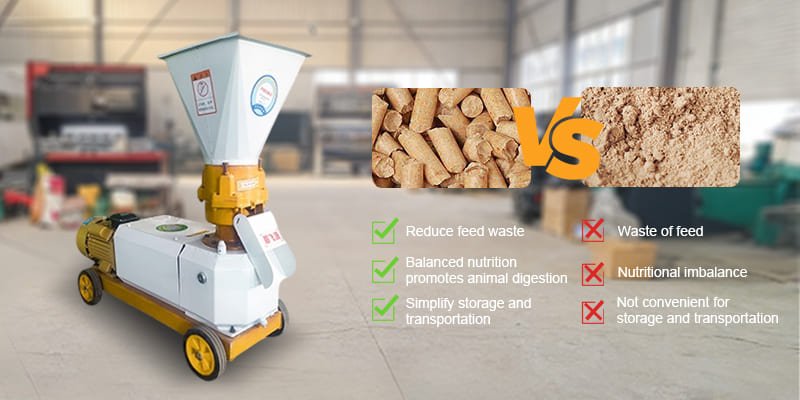
Turning simple powder into high-value pellets is the single best way to maximize the return on your feed investment6. Across all the markets we serve, from the US to Kenya, the benefits are universal.
Here's why it's so important:
- Reduces Waste: Pellets are solid and easy for animals to pick up. Unlike powders that scatter and get trampled, pellets ensure more of the feed you produce actually gets eaten.
- Boosts Digestion: The heat and pressure from pelleting gelatinize starches, making them much easier for animals to digest and absorb. This means better nutrition from the same amount of feed.
- Simplifies Storage and Transport: Pellets are dense and take up less space than powders. Their low moisture content also makes them less prone to mold, so they last longer in storage.
- Eliminates Picky Eating: With mixed mash, animals often pick out their favorite ingredients (like corn) and leave the rest. Pellets contain a complete, balanced formula in every bite, guaranteeing consistent nutrition.
At STROSEN, we've spent 15 years perfecting our range of both ring die and flat die machine3s to deliver these benefits. If you're looking for a reliable pelleting solution to improve your feeding operation, we're here to help you find the perfect fit.
Conclusion
Understanding how ring and flat die machine3s work empowers you to choose the right equipment. This choice converts simple powder into high-value pellets, directly boosting your farm's efficiency and profitability.
Understanding mechanical pressure is crucial for optimizing pellet production efficiency. ↩
Explore the mechanics of ring die machines to enhance your feed production capabilities. ↩
Discover why flat die machines are ideal for smaller operations and their unique benefits. ↩
Learn how pelleting minimizes waste and maximizes feed efficiency. ↩
Explore the connection between pelleted feed and improved animal health outcomes. ↩
Explore the financial benefits of investing in pelleting technology for your farm. ↩