Are you struggling with high feed costs and wasted hay? Traditional feeding methods for sheep often lead to selective eating and significant waste, directly impacting your farm's bottom line.
A sheep feed pellet machine1 transforms raw materials like grass and grains into uniform pellets. This improves digestion, cuts feed waste2, and lets you control ingredient quality3, boosting profitability.
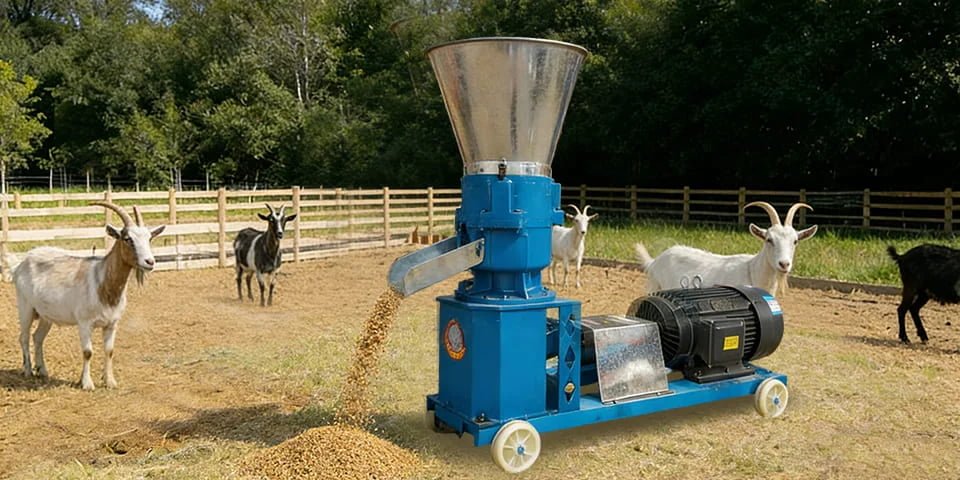
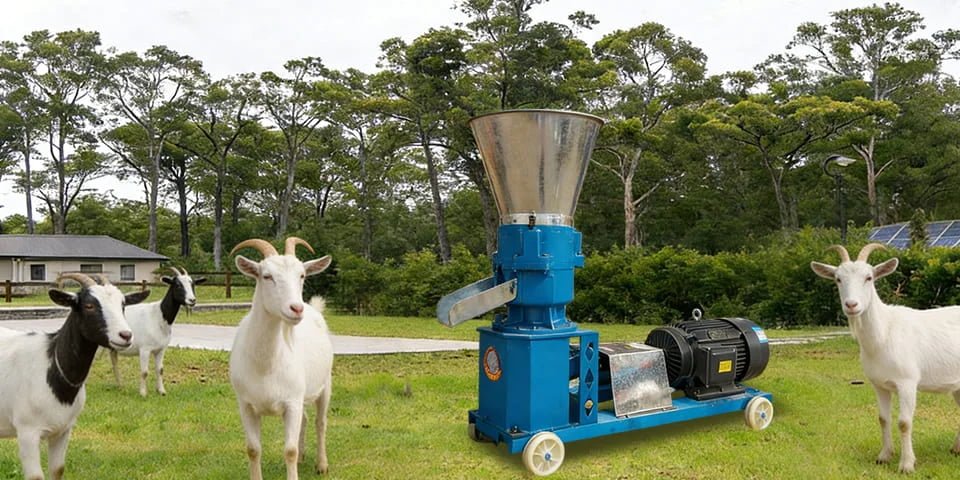
This machine is a powerful tool used by small sheep farms, medium-scale operations, and commercial producers alike to gain control over their feeding programs. By producing high-quality feed pellets4 from affordable raw materials, farmers can significantly lower overall costs and improve herd health. Let's dive into the common questions farmers have when considering this investment.
What Exactly Is a Sheep Feed Pellet Machine?
Unsure what this machine does? Many farmers use traditional loose feed, dealing with dust, waste, and inconsistent nutrition, which can hinder the growth and health of their flock.
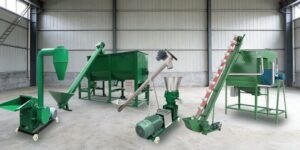
A sheep feed pellet machine1 is a specialized piece of equipment that compresses raw feed materials into uniform pellets. It ensures balanced nutrition in every bite, making feeding cleaner and more efficient.
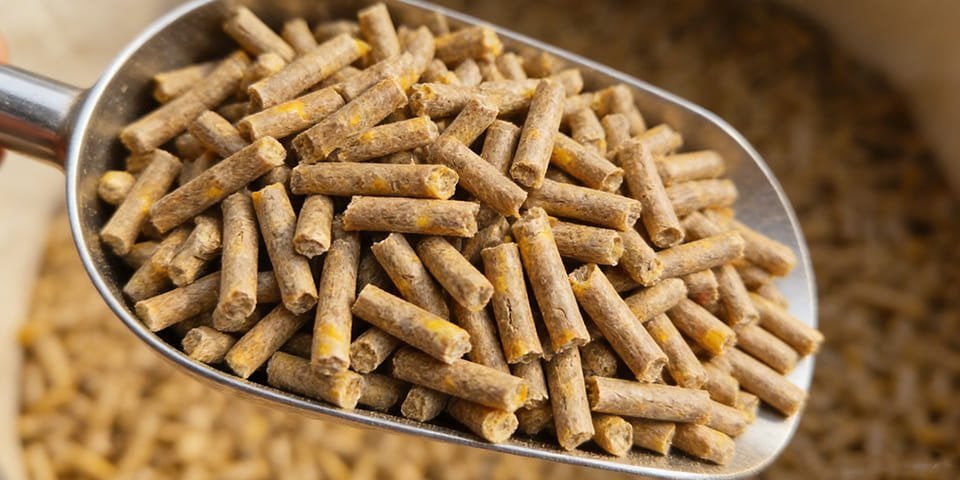
This feed processing machine is designed to improve the palatability and digestibility of feed for sheep. By converting a mix of ingredients into a compact pellet, it prevents sheep from picking out their favorite grains and leaving the rest. This guarantees that every animal receives a consistent, well-balanced diet, which is crucial for both growing lambs and adult sheep. The process also dramatically reduces the amount of breathable dust during feeding, creating a healthier environment for both your animals and your workers. It's an essential tool for modernizing any sheep farming operation.
What Raw Materials Can It Process?
Worried you won't have the right ingredients? Many farmers believe pellet production requires expensive, specialized materials, making it seem out of reach for their operation and budget.
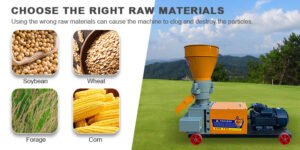
This machine processes a wide range of affordable materials, including grass, hay, alfalfa, straw, corn, and soybean meal. You can use ingredients you already have or can source locally and cheaply.
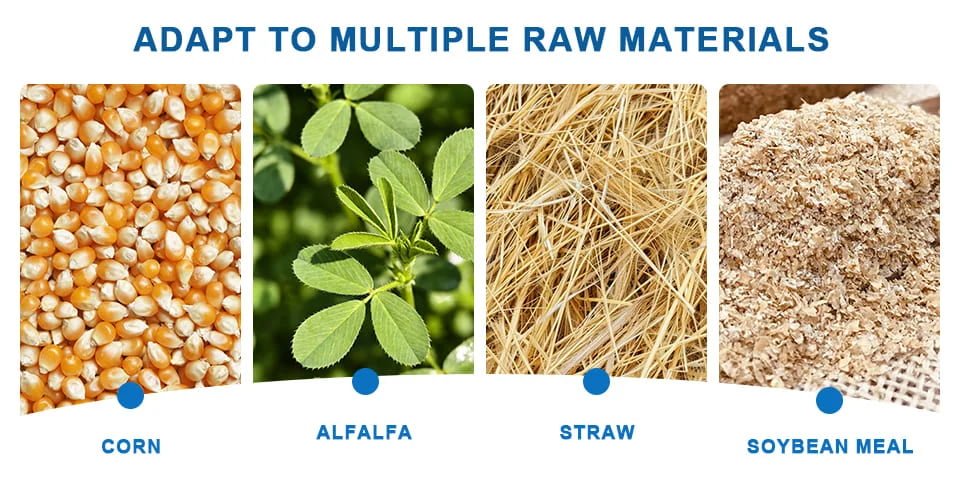
The versatility of a sheep feed pellet machine1 is one of its greatest strengths. You are not limited to a single type of input. Instead, you can create custom feed formulas5 based on what is available and affordable in your region.
Commonly Used Materials Include:
- Forages: Grass, Hay, Alfalfa, Straw
- Grains: Corn, Wheat Bran, Barley
- Protein Sources: Soybean Meal, Cottonseed Meal
- By-products: Agricultural residues
These materials can be used individually or blended according to a nutritional formula to meet the specific dietary needs of sheep at different growth stages. This flexibility allows you to optimize costs and nutrition simultaneously. For more on creating formulas, you can check our guide on custom feed recipes.
What Size Machine and Pellets Do I Need?
Buying the wrong size machine or making the wrong pellets is a costly mistake. An oversized machine wastes energy, while an undersized one creates a production bottleneck for your farm.
Choose capacity based on your flock size—small farms need 300-500 kg/h. The best pellet size6 for sheep is 4-6 mm in diameter, which is easily adjustable by changing the machine's die.
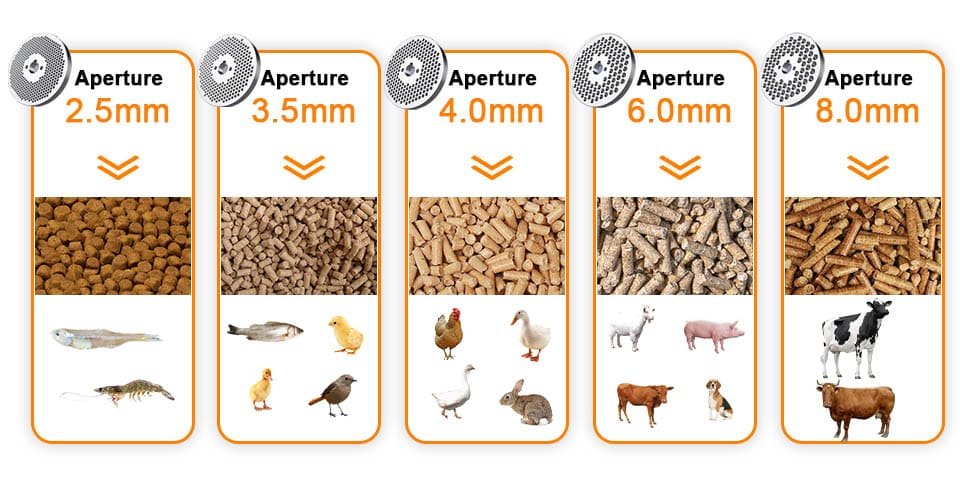
Selecting the right machine capacity is crucial for efficiency. A small farm with a few dozen sheep will be well-served by a smaller model, while commercial operations feeding thousands will need a system producing several tons per hour. Matching the machine to your daily feed consumption prevents energy waste and maximizes your return on investment.
Similarly, pellet size6 matters. The 4–6 mm diameter range is ideal for sheep because it's easy for them to chew and digest. This size minimizes the chance of feed being dropped or ignored, which directly reduces waste and improves nutrient absorption. All of our machines allow you to easily swap out the die to produce different pellet size6s, making them versatile for sheep and goats.
How Much Does It Cost and Is It Profitable?
Is the initial investment worth it? The upfront cost of a machine can seem high, making farmers hesitate and question if the long-term savings will ever materialize.
While prices vary by model, a sheep feed pellet machine1 is highly profitable. By producing your own pellets, you slash feed purchase costs, improve feed conversion, and control quality, boosting long-term farm profitability.
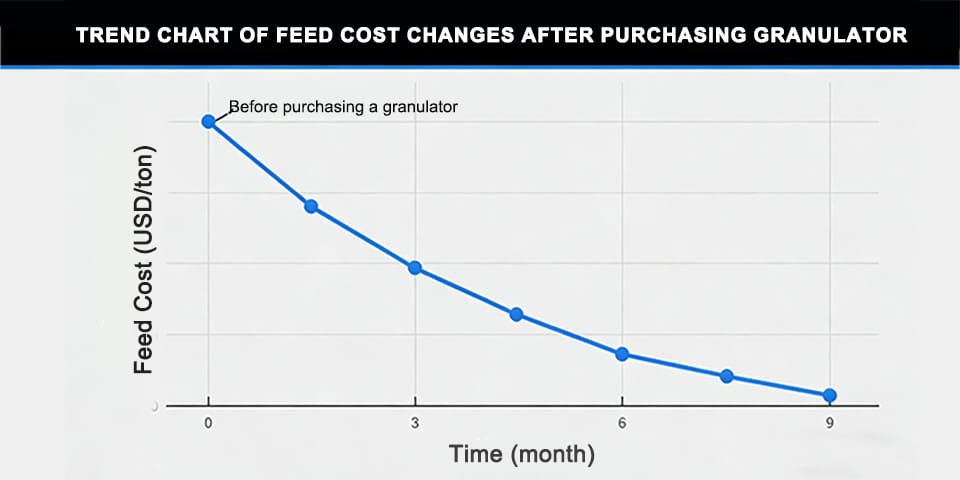
The price of a machine depends on its capacity, power source (electric vs. diesel), and level of automation. Small machines are quite affordable, while high-capacity commercial models require a larger investment. However, the return on that investment is clear.
By producing feed on-site, you can buy raw materials in bulk when prices are low. This significantly reduces your feed purchase expenses, which is often a farmer's largest variable cost. Furthermore, pelleted feed improves the feed conversion ratio7, meaning your sheep gain more weight from less feed. Over time, these savings not only pay for the machine but also increase your farm's overall profitability year after year.
How Do I Choose a Reliable Manufacturer?
With so many options, how can you trust you're buying a quality machine? Choosing an unreliable supplier can lead to equipment breakdowns, no support, and a complete loss of your investment.
Choose a manufacturer with proven experience, international certifications8 like CE and ISO, and a strong after-sales support system. A reliable partner ensures your machine runs smoothly for years to come.
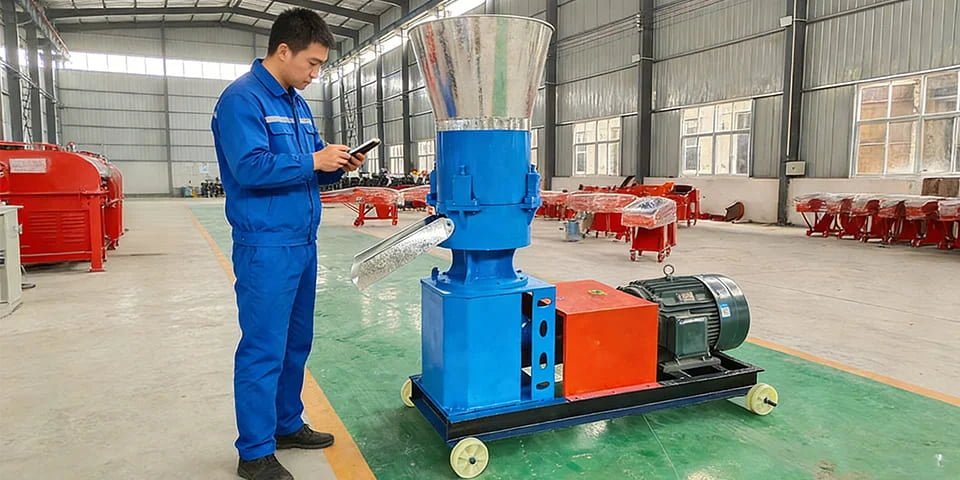
Your machine is only as good as the company that stands behind it. When evaluating manufacturers, look for key indicators of quality and reliability. Do they have decades of production experience? Are their products certified to meet international standards? A reputable manufacturer like STROSEN will offer more than just a machine. We provide technical guidance9 on setup and operation, a reliable supply of spare parts like dies and rollers, and long-term service to ensure the stable, efficient operation of your equipment. Don't just buy a machine; invest in a partnership that supports your farm's success.
FAQ about Sheep Feed Pellet Machines
1. Can one pellet machine be used for both sheep and goats? Yes. Since sheep and goats have similar dietary needs, the same machine can produce pellets for both. Simply adjust the feed formula and pellet size6 (typically 4-6 mm) for optimal results on a mixed livestock farm.
2. What power source is required? Machines are available with electric motors for farms with a stable power supply or diesel engines for remote or off-grid locations. Power requirements scale with the machine's capacity.
3. Can the machine process high-fiber grass and alfalfa? Absolutely. Grass and alfalfa are excellent materials for sheep pellets. For best results, ensure the material is crushed to a uniform size and its moisture content10 is controlled between 12% and 18% before pelletizing.
Conclusion
Investing in a sheep feed pellet machine1 helps you improve feed quality, reduce waste, and increase overall efficiency. Choosing the right machine and manufacturer is your key to long-term success.
Explore this resource to understand how a sheep feed pellet machine can revolutionize your feeding process and improve farm efficiency. ↩
Learn effective strategies to minimize feed waste, which can significantly impact your farm's profitability. ↩
Discover the importance of ingredient quality in sheep feed and how it affects animal health and farm profitability. ↩
Find out how high-quality feed pellets can enhance sheep nutrition and overall farm productivity. ↩
Learn how to formulate custom sheep feed to meet specific dietary needs and optimize nutrition. ↩
Understand the significance of pellet size in sheep feeding and how it affects digestion and waste. ↩
Discover how improving feed conversion ratios can lead to better weight gain and profitability. ↩
Learn about key certifications that indicate quality and reliability in feed pellet machine manufacturing. ↩
Find out what kind of technical support you should receive to ensure smooth operation of your machine. ↩
Discover the optimal moisture levels for producing high-quality sheep feed pellets. ↩