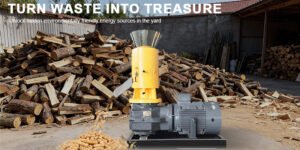
Struggling with mounting agricultural waste1 and its disposal costs? This overlooked byproduct is a hidden asset. A biomass pellet mill2 can unlock its value, turning costly waste into profitable energy.
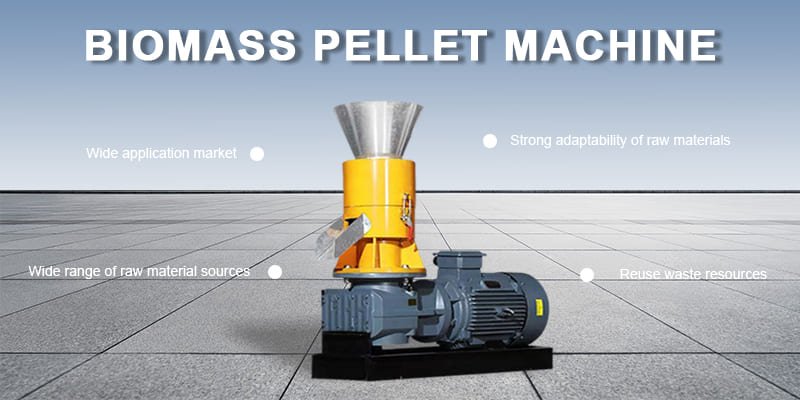
A biomass pellet mill2 is your key to converting organic waste into valuable, high-energy fuel pellets3. This machine uses pressure to compress materials like wood chips4, straw, or sawdust5 into dense pellets, creating a new revenue stream for your business.
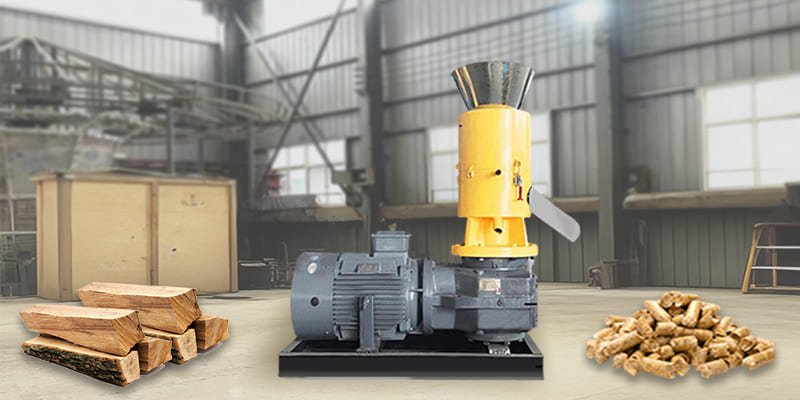 As a manufacturer, I've seen countless businesses transform their operations with this technology. They stop paying to remove waste and start earning from it. This isn't just about waste management; it's about smart resource utilization. The right machine can become a profit center6 for your company, especially when you're dealing with tons of agricultural or forestry residue. Let's explore how you can make this work for you.
What Raw Materials Can You Turn Into Profitable Pellets?
Piles of wood shavings, straw, or stalks are taking up valuable space. This waste isn't just an eyesore; it's a missed opportunity. You can easily turn this problem into a product.
You can process a wide range of organic materials. This includes forestry leftovers7 like sawdust5 and wood chips4, and agricultural residues such as straw, rice husks, and corn stalks. The secret is preparing the material to the right size and moisture level8 before pelletizing.
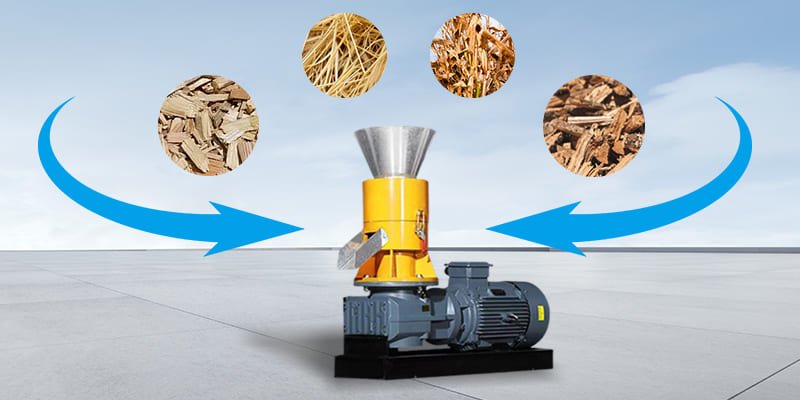 When I talk with purchasing managers, the first question is always about materials. They want to know if our machines can handle their specific type of waste. With 25 years of experience, our answer is almost always yes. We design our pellet mills to be robust. We use high-quality alloy steel for the core components, like the die and rollers, so they can handle everything from softwoods to tough agricultural fibers. The key is customization9. That's why we offer a one-stop solution, from initial design to final production. We help you figure out the best way to prepare your material and then build a machine perfectly suited for it.
Matching Your Material to the Right Process
| Your raw material dictates the process. Different materials have different densities, fiber lengths, and moisture content. Getting this right is crucial for creating high-quality pellets. | Material Category | Common Examples | Key Considerations |
|---|---|---|---|
| Forestry Waste | Sawdust, wood chips4, tree branches | Requires consistent particle size. Often needs drying to 12-15% moisture. | |
| Agricultural Waste | Wheat straw, rice husks, corn stalks | High in fiber. May require pre-crushing to break down long strands. | |
| Other Biomass | Bagasse, palm kernel shells, grass | Unique characteristics may require specialized dies and roller settings. |
Our engineers work with clients to analyze their specific feedstock and customize the machine's configuration, ensuring optimal performance and pellet quality.
How Do You Choose a Pellet Mill That Won't Let You Down?
Picking the wrong machine can be a disaster. It leads to constant breakdowns, poor pellet quality, and ultimately, a damaged brand reputation. You need a partner, not just a piece of equipment.
Focus on a manufacturer with a proven track record and strong quality guarantees. Look for robust construction, international certifications like CE and ISO 9001, and a supplier who offers deep customization9 and after-sales support. This significantly reduces your procurement risk.
 I once met a brand manager from a large company who bought a cheap machine from an unknown supplier. It failed within six months, and his project was in jeopardy. He came to us looking for a reliable solution. This story isn't uncommon. That's why we built our entire process around reliability. With 25 years of OEM/ODM experience10, we understand what brands need. We don't just sell machines; we provide a complete solution. Our five production lines are staffed with quality controllers who have over 8 years of experience each. We test everything, from the raw steel we use to the final assembled product. This focus on quality means you get a machine that works from day one and keeps working, protecting your investment and your brand.
A Checklist for Choosing a Reliable Supplier
To help you make the right choice, I've put together a simple checklist. This is what you should demand from any potential manufacturer.
- ### Verify Their Experience and Reputation Does the manufacturer have extensive experience, especially in OEM/ODM for global brands? We’ve been doing this since 2000, serving clients in over 20 countries. Look for a history of success.
- ### Insist on Quality Certifications Are their products certified to international standards? Our equipment meets CE and ISO 9001 standards. These certifications aren't just pieces of paper; they are proof of a commitment to quality and safety.
- ### Examine the Core Components
Ask about the materials used for the die, rollers, and main shaft. We use high-quality alloy steel and apply specific heat treatments to ensure our key components last for more than 8,000 hours. A strong machine is built from strong parts.
What Quality Guarantees Should You Demand from Your Supplier?
You worry that a new machine will fail under pressure. Inefficient equipment wastes energy and produces subpar pellets, hurting your bottom line and reputation. You need assurance that your investment is sound. Demand proof of performance. We subject every machine to triple testing for power, efficiency, and durability11. This ensures a 30% increase in operational efficiency, a 20% reduction in energy consumption12, and a long service life.
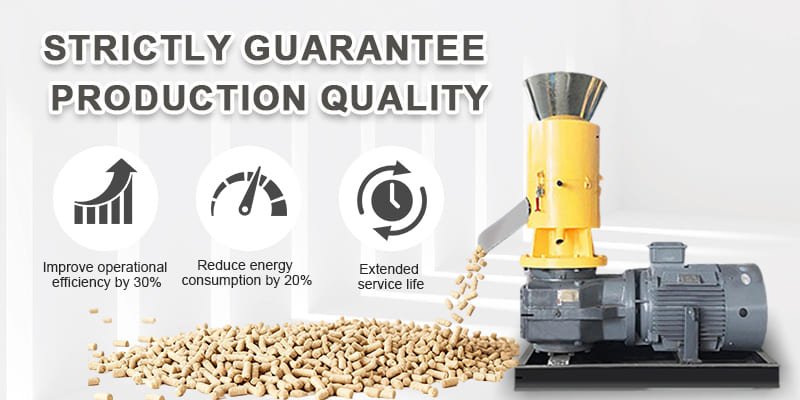 Quality isn't an accident; it's a system. For us, it starts the moment raw materials arrive at our factory. Every batch of steel is tested for strength and purity. This commitment continues on the production line. We use precision welding and advanced surface treatments to prevent corrosion and wear. But the most critical stage is our final testing protocol13. Before any machine leaves our facility, it goes through a full gauntlet of tests. I remember a client from Germany who visited our factory. He was impressed by our quality control, especially the final load test where we run the machine at full capacity to ensure it performs flawlessly under stress. This rigorous process is our promise of reliability to you.
Our Three-Pillar Quality Assurance Process
We ensure every machine we ship is ready for the demands of modern agriculture. Our quality system is built on three essential pillars.
- ### Rigorous Material and Component Testing We start with a foundation of quality. All incoming raw materials, from steel plates to cast iron parts, undergo strict quality inspection. We perform load tests on structural components to verify their strength, and we ensure all power systems meet international performance standards.
- ### In-Production Performance Verification As the machine is built, we conduct our triple test for Power, Efficiency, and Durability. This process confirms that the machine will boost your(work efficiency) by 30%, lower your(fuel consumption) by 20%, and that its (key parts) have a lifespan exceeding 8,000 hours.
- ### Comprehensive Final Acceptance Testing
Every single unit is fully tested before shipment. This includes a full-function test, a sustained load test, vibration analysis, and environmental adaptation tests. We also conduct random sampling inspections according to the ISO 2859 standard to ensure consistent quality across all batches.
Conclusion
Turn your waste into a valuable asset. Our reliable, customizable biomass pellet mill2s deliver proven performance, backed by 15 years of manufacturing excellence. Let's build your success together.
Learn about innovative methods to turn agricultural waste into a valuable resource. ↩
Explore how a biomass pellet mill can transform agricultural waste into profitable energy. ↩
Discover the advantages of using high-energy fuel pellets for energy production. ↩
Find out how wood chips can be utilized effectively in biomass energy production. ↩
Understand the role of sawdust in creating efficient biomass pellets. ↩
Learn how investing in a biomass pellet mill can generate new revenue streams. ↩
Explore the potential of forestry leftovers in biomass energy solutions. ↩
Learn about the significance of moisture levels in producing quality pellets. ↩
Discover how tailored solutions can enhance the efficiency of pellet mills. ↩
Discover how OEM/ODM experience can impact the quality of manufacturing. ↩
Learn about the key components that ensure the longevity of pellet mills. ↩
Find strategies to minimize energy consumption while maximizing pellet production. ↩
Understand the importance of final testing in guaranteeing product quality. ↩