Animal feed pelleting can transform your livestock production. The right pellet press creates high-quality feed that improves animal health and farm efficiency.
Feed pelleting increases nutritional value by improving digestibility through heat treatment, enhances feed hygiene by eliminating harmful bacteria like Salmonella, reduces waste during transport, and allows for precise dosing without ingredient separation, leading to better livestock performance.
What Makes Pelleted Feed Superior to Traditional Meal Feed?
Pelleted feed offers clear advantages over traditional meal formulations. The benefits extend from production efficiency to animal health and farm economics.
Pelleted feed provides higher feed hygiene through heat treatment that eliminates bacteria, increases nutritional digestibility, reduces transportation waste, allows for accurate dosing, prevents ingredient separation, has 15% higher density, and offers better storage stability compared to meal feed.

The superiority of pelleted feed becomes evident when examining its impact across the entire production and consumption cycle. During pelleting, the feed reaches temperatures of 81°C or higher through steam addition and friction heat during compression. This thermal process effectively destroys harmful microorganisms like Salmonella, common bacteria, and fungi that might be present in raw ingredients. The heat treatment modifies the starch structure in the feed, making nutrients more accessible to animals during digestion. This explains why pelleted feed typically shows a 15% improvement in bulk density compared to meal form, reducing storage space requirements and transportation costs. The uniformity of pellets prevents animals from selective feeding, ensuring each animal receives a balanced nutritional profile. These factors collectively contribute to improved feed conversion rates, meaning animals convert more of the feed into productive output rather than waste.
How Does a Pellet Press Work in the Feed Pelleting Process?
The pellet press stands as the heart of any pelleting line. Understanding its function helps optimize feed production and quality.
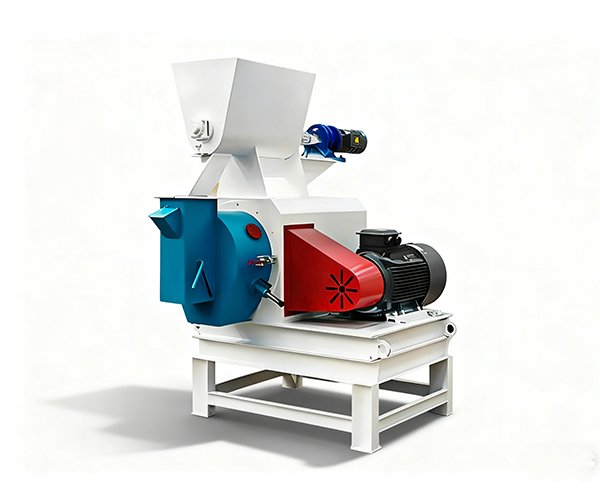
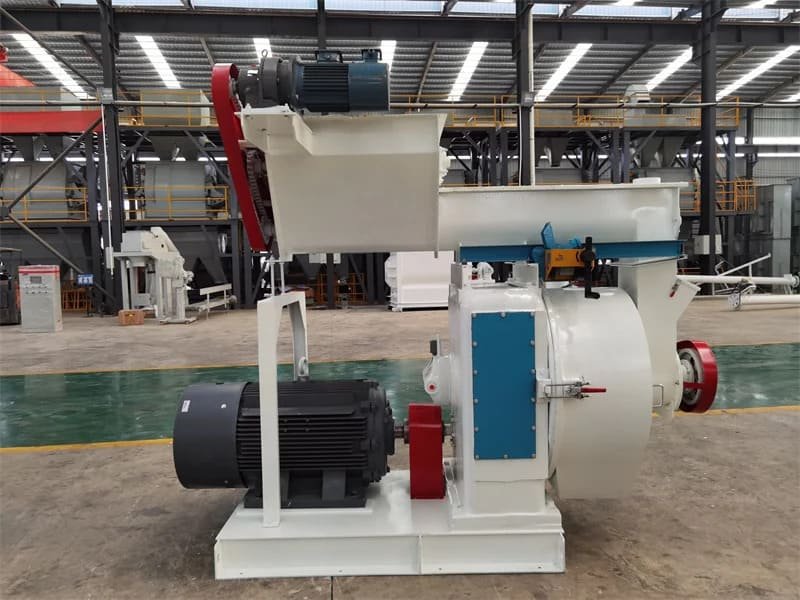
The pellet press compacts and forms feed pellets by forcing conditioned material through a die. Before pressing, the feed is heated and dampened in a conditioner, with capacities ranging from 2 to 40 tons/hour depending on the mill size.
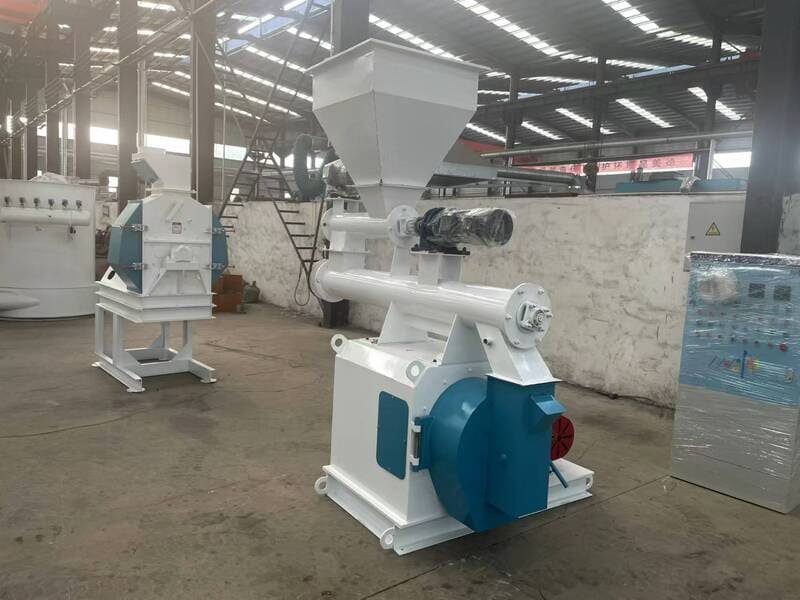
The pellet press operates on fundamental mechanical principles that transform loose feed meal into dense, durable pellets. In a typical setup, the feed enters the conditioner first, where it's mixed with steam and conditioned to optimal temperature and moisture content. This conditioning step is crucial as it plasticizes the feed materials, making them more pliable under pressure. The conditioned feed then enters the pellet mill's chamber, where it's forced through a ring die by rotating rollers. The pressure and friction generated in this process increase the temperature further, aiding in binding the ingredients together. The die contains holes of specific diameter that determine the final pellet size. As the material is extruded through these holes, it forms into cylindrical shapes and is cut to length by knives positioned just outside the die. The density and durability of the resulting pellets depend on several factors including the die design, roller pressure, conditioning parameters, and the composition of the feed itself. Modern pellet presses offer adjustable settings to optimize these parameters for different feed formulations and production requirements.
Why is Proper Cooling Essential After Pellet Formation?
Cooling pellets immediately after formation is critical for quality. This often overlooked step significantly impacts feed durability and nutritional value.
Proper cooling hardens the pellets and reduces their temperature to 4-6°C above ambient, preventing moisture migration and spoilage during storage. Counterflow coolers uniformly distribute pellets and cool from bottom to top, ensuring the entire pellet temperature stabilizes.
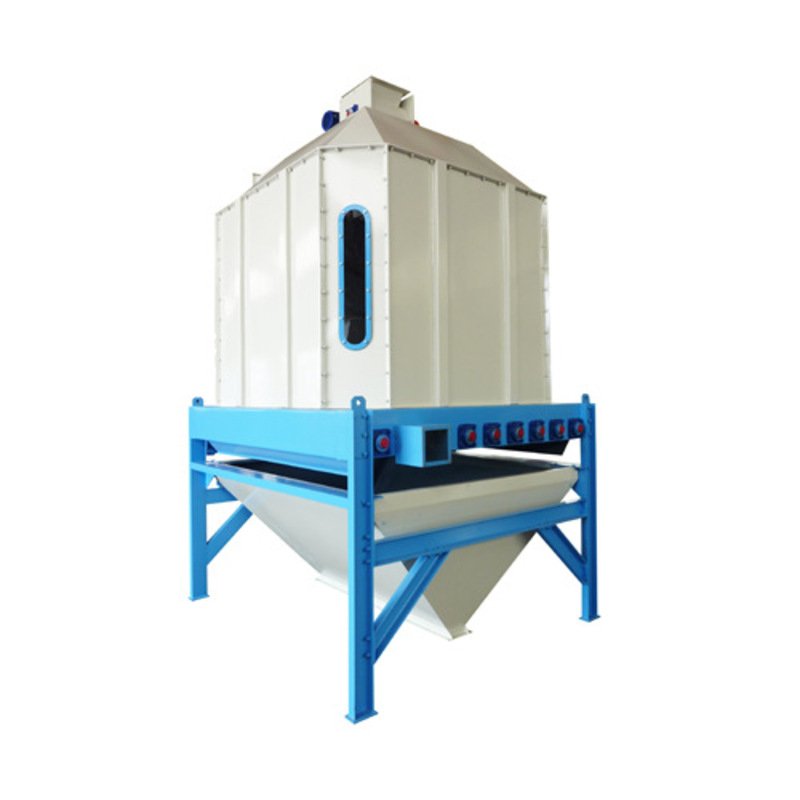
The cooling process represents a critical transition point in pelleting where hot, pliable pellets transform into stable, durable products ready for storage or transportation. When pellets exit the press, they contain significant moisture from the conditioning process and remain at elevated temperatures—typically 70-90°C. If these warm pellets were stored immediately, several detrimental effects would occur. First, the residual heat would continue to draw moisture from the surrounding environment to the pellet surface, causing surface rehydration and increasing mold risk. Second, the gradual cooling would create internal stresses as different parts of the pellet contract at different rates, potentially leading to cracks and fines. Counterflow cooling systems address these issues effectively by moving pellets slowly downward through a column while ambient air moves upward. This countercurrent approach maximizes heat exchange efficiency because the coolest air contacts the coolest pellets first. The pellet spreader at the top ensures uniform distribution, preventing clumping and ensuring consistent residence time for each particle. Modern cooling systems are designed with precise airflow control and variable speed drives to match cooling capacity with production rates, optimizing energy consumption while meeting the strict temperature differentials required for stable pellet storage.
How Do Sifters Improve Final Feed Quality?
Sifting is the final quality check in pelleting. This simple step ensures only the highest quality pellets reach your livestock, removing fines and maintaining specifications.
Sifters remove dust and oversized particles after cooling, typically reducing dust content to 3-4%. They use vibration and layered screens—fine mesh for dust and coarse mesh for larger particles—with dust recycled back to the pelletizer process.
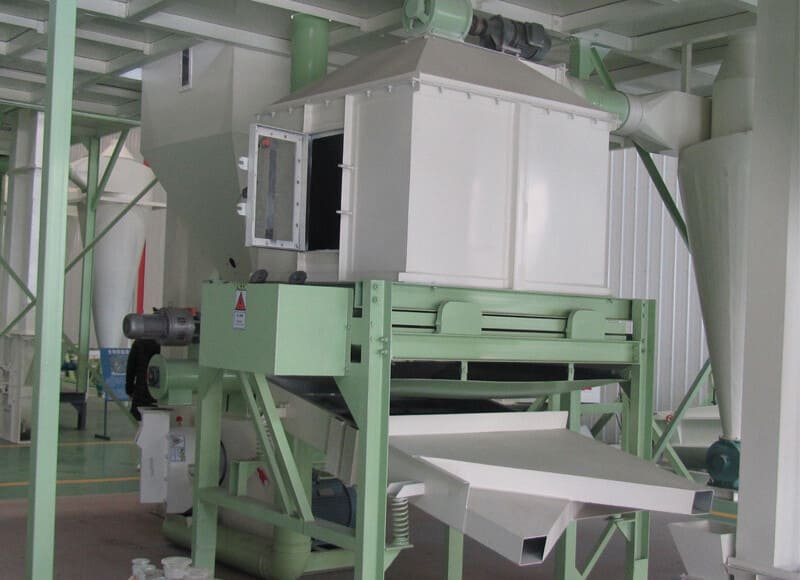
The sifting process serves as a critical quality control checkpoint that separates acceptable pellets from undersized material and dust. After cooling and potentially crumbling, the feed mixture contains various particle sizes and dust that must be removed to meet quality standards and prevent segregation during handling and transportation. Modern sifters typically employ a vibratory motion that moves the feed material across multiple screen layers simultaneously. The top layer, with larger apertures, allows oversized particles or lumps to be removed and potentially recycled back to the pelleting process. The bottom layer features finer mesh that captures dust and undersized particles. The efficiency of this process depends on several factors including screen design, vibration frequency, amplitude, and the distribution of particle sizes in the feed input. The removed dust, typically constituting 3-4% of the total output, represents valuable raw material that can be reintroduced into the conditioning or pelleting process rather than being wasted. This closed-loop approach improves overall production efficiency and reduces waste. Some advanced sifting systems incorporate automatic cleaning mechanisms to prevent screen blinding and maintain consistent throughput throughout the production run.
Conclusion
Feed pelleting technology transforms nutrition delivery, improves efficiency, and enhances animal health through controlled processing and precise formulation.