You've finally budgeted for the perfect pellet machine, but that nagging fear of hidden costs won't go away. What if you need other expensive machines to make it even work?
Yes, for any serious or commercial operation1, you need a complete system. The pellet machine2 is the heart, but a grinder3 for material preparation and a cooler4 for pellet stabilization are essential for producing high-quality, storable feed efficiently. Omitting them leads to poor results.
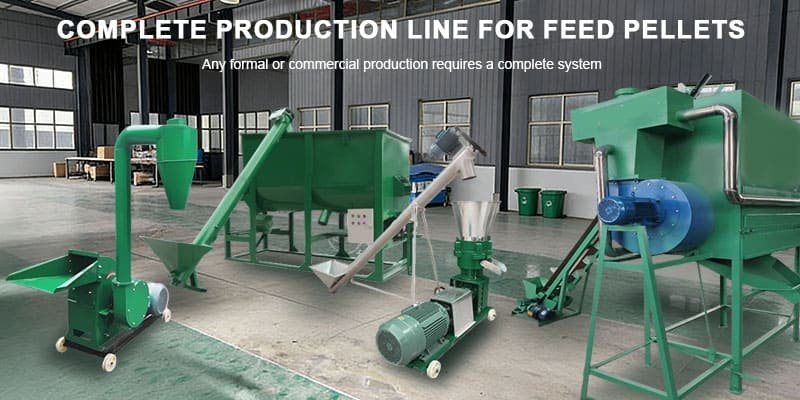
I'll never forget a client from several years ago who bought a fantastic pellet machine2. He was thrilled. A week later, he called me, completely frustrated. He couldn't get the machine to run for more than ten minutes without jamming, and the few pellets he did make crumbled in his hand. He had the heart of the system, but no arteries or veins to support it. A pellet machine2 doesn't work in isolation. Thinking about the entire production process5, from raw material6 to finished bag, is the key to creating a smooth, profitable operation from day one.
Why is a grinder3 non-negotiable for producing quality pellets?
You push whole grains or unevenly chopped hay into your pellet mill, only for it to choke and jam. This constant stopping and starting is killing your productivity and stressing your equipment.
A grinder3 is essential because it creates the uniform, fine particle size (typically 3-5mm) that a pellet die requires. This consistency is the secret to high-density pellets, smooth machine operation, and preventing costly clogs and damage.
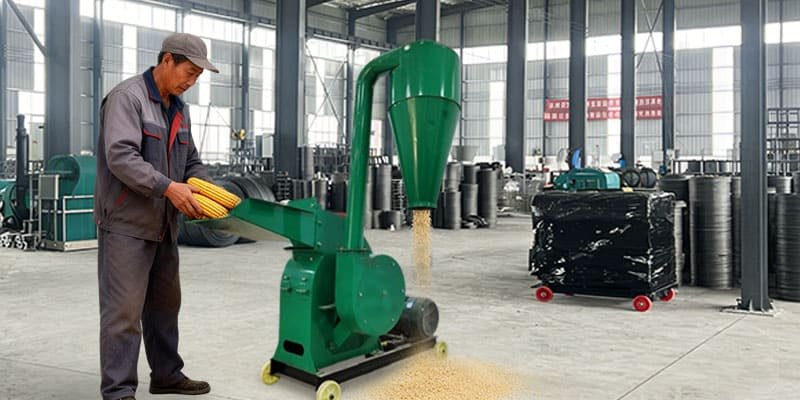
Inside the pellet machine2, immense pressure and heat work to bind material together. This process only works correctly if the raw material6 is a consistent, small size. Large, irregular particles create air pockets, leading to weak pellets that fall apart. They also cause "bridging" and blockages in the die holes, which forces the motor to work harder and can lead to premature wear on your rollers and die. I've seen clients double the lifespan of their die set simply by starting to properly grind their materials first. As part of our one-stop solutions, we always assess a client's raw material6s—be it corn from the USA, straw from Russia, or alfalfa from Australia—to recommend the perfect hammer mill or crusher. It’s the foundational step for quality.
| Performance Metric | Without a Grinder | With a Proper Grinder |
|---|---|---|
| Machine Operation | Frequent jams and clogs | Smooth and continuous |
| Pellet Quality | Crumbly, low-density | Hard, dense, and durable |
| Output Rate | Low and inconsistent | Stable and high |
| Wear on Die/Rollers | High (increased stress) | Normal (extended lifespan) |
Do I really need a cooler4, or can I just let pellets air-dry?
You've made a beautiful batch of pellets, bagged them up, but a week later you find a moldy, spoiled mess. All that work and expensive material is now completely wasted.
Yes, you really need a cooler4. Pellets exit the machine at 70-90°C and contain excess moisture. Air-drying is too slow and invites mold. A cooler4 rapidly removes heat and moisture, hardening the pellets and making them safe for long-term storage.
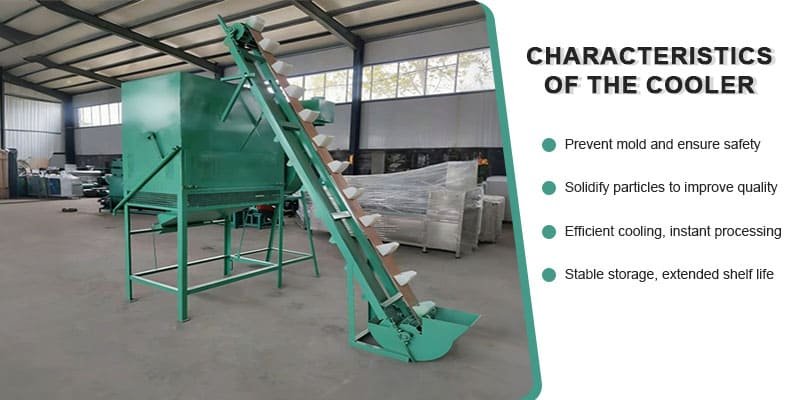
The heat and steam generated during pelleting are what cook and bind the feed, but they also create the perfect environment for spoilage if not handled immediately. Hot, moist pellets are soft and fragile. If you bag them in this state, the trapped heat and moisture will condense, leading to mold growth within days. This doesn't just ruin the feed; it can be toxic to your animals. I've seen some small-scale farmers try to spread pellets on a tarp to air-dry. This is slow, takes up a huge amount of space, and exposes the feed to contamination. A professional counterflow cooler4 is incredibly efficient. It pulls cool, dry air up through the column of hot pellets, hardening them and reducing the moisture content7 to a stable level (around 12%) in just a few minutes. For anyone selling pellets or storing them for more than a couple of days, a cooler4 isn't a luxury; it's a necessity.
What about other machines like mixers and packaging systems?
You're adding supplements to your feed, but you worry your animals aren't getting a balanced diet. Some pellets seem to have all the nutrients while others have none.
A mixer is vital for ensuring every pellet has a consistent nutritional profile8. For commercial sales, a packaging system is also essential for efficient bagging, professional appearance, and accurate weighing, which saves immense labor and builds brand trust.
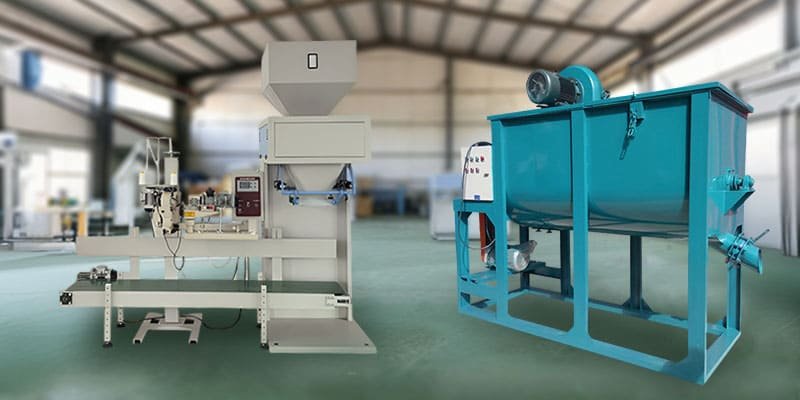
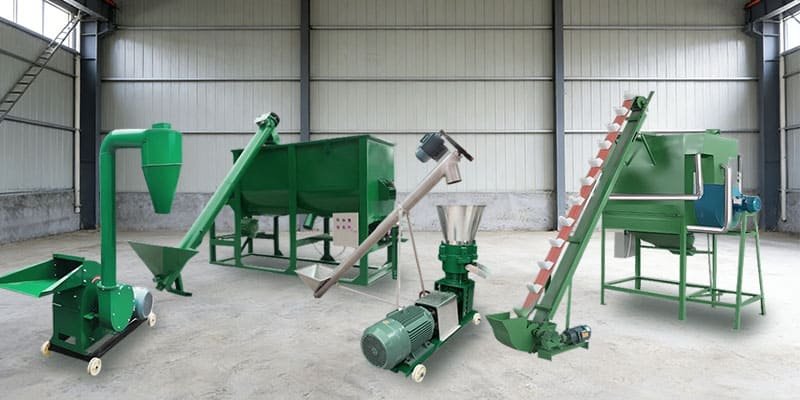
Thinking like a procurement manager for a large enterprise taught me the value of total process control. While a grinder3 and cooler4 are the two most critical add-ons, a mixer and packaging system are what separate a professional operation from a hobby. A feed mixer9, whether vertical or horizontal, thoroughly blends your ground materials with any supplements, vitamins, or medications. This guarantees that each animal gets the same balanced ration, leading to uniform growth and health across your herd. This is something impossible to achieve by simply mixing on a floor with a shovel. For those looking to sell their feed, a semi-automatic packaging system is a game-changer. It accurately weighs each bag, provides a clean seal, and gives your product the professional look it needs to compete in the market. It turns a manual, slow, and messy job into a fast, clean, and profitable one.
| Stage | Equipment | Purpose |
|---|---|---|
| 1. Preparation | Grinder / Hammer Mill | Creates a uniform particle size for pelleting. |
| 2. Formulation | Feed Mixer | Blends ingredients for consistent nutrition. |
| 3. Pelletizing | Pellet Machine | Compresses and forms the pellets. |
| 4. Stabilization | Cooler & Screener | Hardens pellets and removes fines/dust. |
| 5. Packaging | Bagging System | Prepares the final product for sale or storage. |
Conclusion
The pellet machine2 is your factory's core, but the grinder3, cooler4, and mixer are the essential systems that ensure your final product is high-quality, safe, and produced profitably.
Find out what equipment is essential for running a successful commercial pellet production business. ↩
Understanding the pellet machine's function is crucial for optimizing your feed production process. ↩
A grinder ensures uniform particle size, which is essential for high-quality pellets and efficient machine operation. ↩
A cooler is vital for stabilizing pellets and preventing spoilage, ensuring your feed remains safe for storage. ↩
Explore the entire production process to optimize your feed manufacturing and improve outcomes. ↩
Discover the best raw materials to use for optimal pellet quality and production efficiency. ↩
Understanding moisture content is key to preventing spoilage and ensuring pellet durability. ↩
Learn methods to maintain a balanced nutritional profile in your feed for better animal health. ↩
A feed mixer guarantees consistent nutrition in pellets, crucial for the health and growth of livestock. ↩