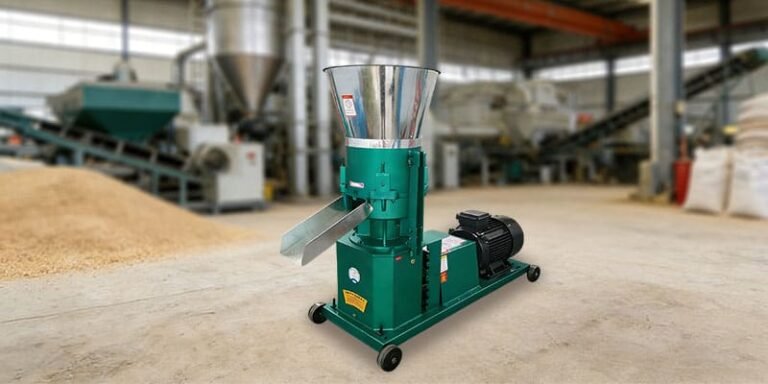
What are the typical power requirements for a small home-use feed pellet machine(e.g., 220V single-phase or 380V three-phase)?
Buying a new machine only to find it won't connect to your power supply1 is a costly mistake....
READ MOREStay informed about the latest developments in feed processing technology, industry trends, and manufacturing innovations.
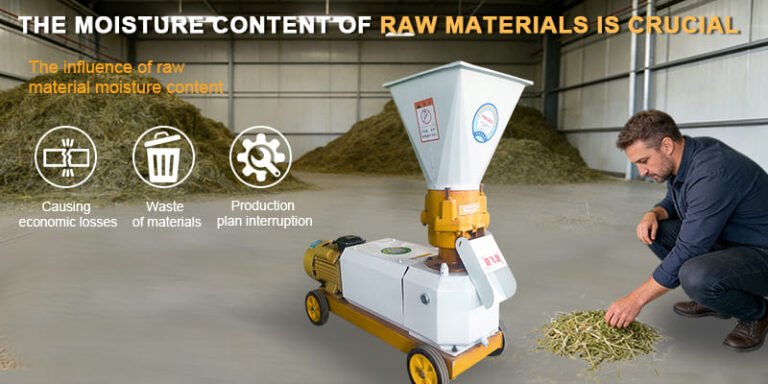
Buying a new machine only to find it won't connect to your power supply1 is a costly mistake....
READ MORE
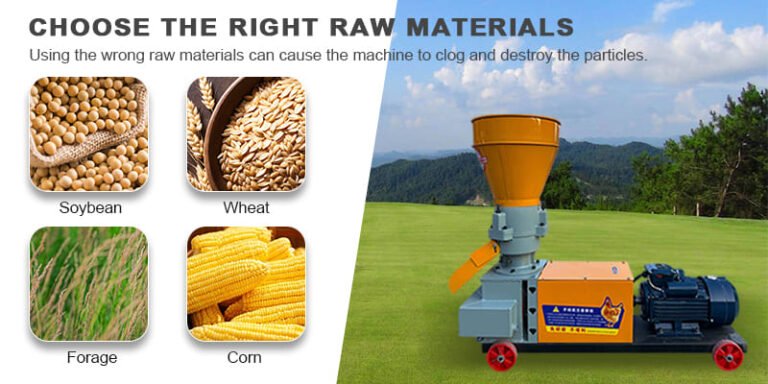
Your machine is jamming and your pellets are crumbling. This operational chaos costs you money, wastes raw materials1,...
READ MORE
Using the wrong raw material can jam your machine and ruin your pellets. This leads to costly downtime,...
READ MORE
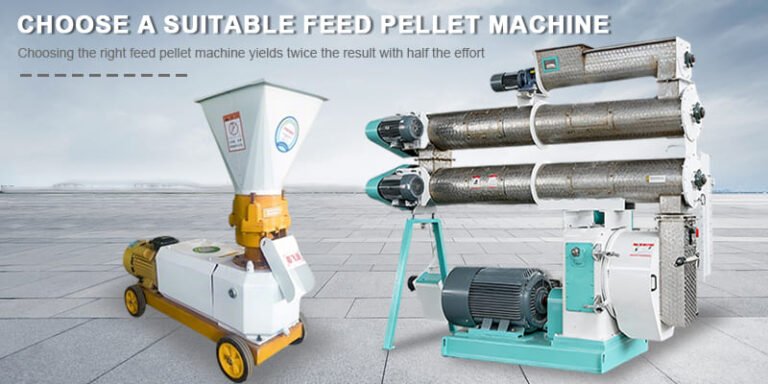
Choosing the wrong pellet machine is a costly mistake. It can lead to production bottlenecks1, poor pellet quality2,...
READ MORE
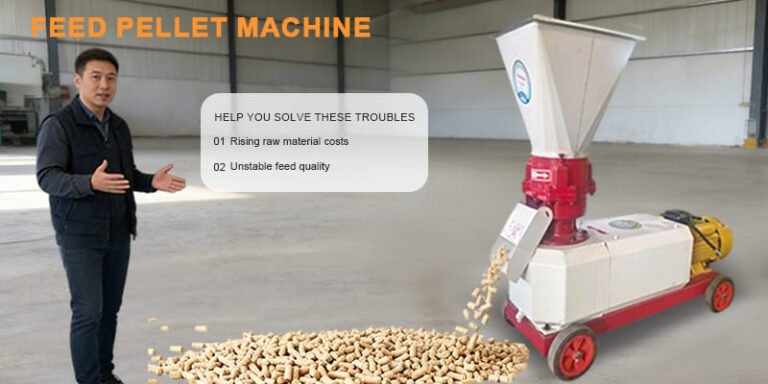
Worried about rising feed costs and uncertain quality? These issues directly impact your bottom line. Making your own...
READ MORE
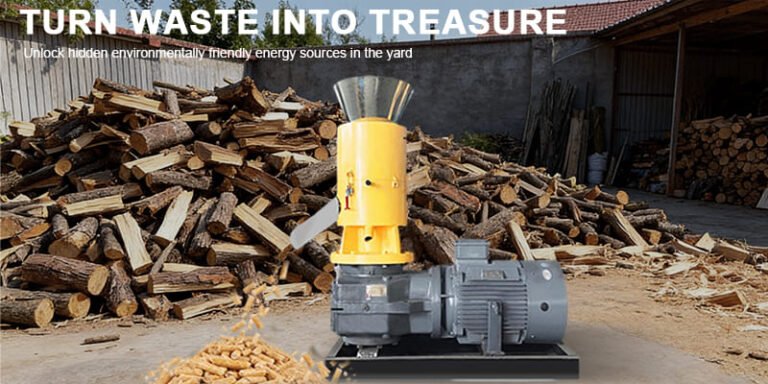
You're tired of high heating bills and that pile of wood waste in your yard. It’s frustrating to...
READ MORE
You want to produce feed efficiently, but connecting different machines into a smooth line is daunting. A single...
READ MORE
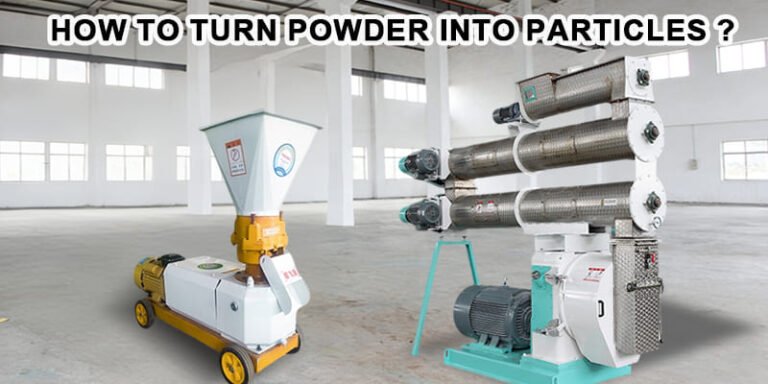
Ever wondered how a machine takes messy powder and turns it into uniform pellets? It seems almost like...
READ MORE
You're ready to use your new pellet machine, but the fear of making a mistake is real. Incorrect...
READ MORE
Your feed pellet machine1 is a crucial part of your farm, but unexpected breakdowns can be a real...
READ MORE
Confused by vague pricing online? This makes budgeting impossible and puts you at risk of making a bad...
READ MORE
Tired of unpredictable feed costs and questionable quality? This uncertainty hurts your bottom line and animal health. Take...
READ MORESubscribe to our newsletter for the latest insights on feed processing technology, manufacturing innovations, and industry trends.
Join 5,000+ industry professionals worldwide