Buying a new pellet mill but worried it's an outdated model? An old machine can cripple your efficiency. I'll show you exactly what to look for.
The clearest signs are the differential and feed inlet. Newer models use a robust automotive-grade differential1 for durability, not a basic one. They also feature a wider feed inlet2, allowing you to process more material at once, boosting your overall output and efficiency.
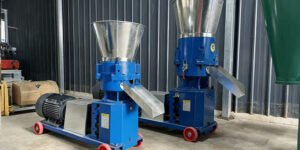
<sup id=](https://strosen.com/wp-content/uploads/2025/11/1.jpg) 3 next to an older model for comparison" title="Modern vs. Old Pellet Mill Design" />
3 next to an older model for comparison" title="Modern vs. Old Pellet Mill Design" />
When you're investing in equipment, the last thing you want is to pay a modern price for old technology. As a purchasing manager, I know your reputation and your company's bottom line depend on making smart buys. I've been in this industry for years, and I've seen firsthand how a seemingly small detail can lead to major operational headaches. It's not just about getting a machine; it's about getting the right machine that will support your production goals for years to come. Let's break down the critical differences so you can spot them easily.
Is the Differential the Most Important Clue?
Struggling to identify the core of a modern pellet mill? The wrong internal components lead to frequent breakdowns. The differential is your most reliable indicator of a machine's age and quality.
Yes, absolutely. The differential is the heart of the machine's power transmission. A modern flat die pellet mill3 uses an automotive-grade rear axle differential. This design is built for high torque4 and continuous stress5, ensuring far greater reliability and a longer service life than older designs.
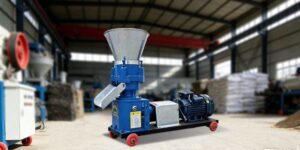
<sup id=](https://strosen.com/wp-content/uploads/2025/11/2.jpg) 1 on a pellet mill" title="Automotive-Grade Differential in Pellet Mill" />
1 on a pellet mill" title="Automotive-Grade Differential in Pellet Mill" />
When my team and I evaluate new designs, the differential is the first thing we inspect. An older, basic differential is a major red flag. It simply wasn't designed for the constant, heavy loads of modern feed production. This leads to premature wear and tear, and eventually, catastrophic failure that can halt your entire production line. An automotive-grade differential[1], on the other hand, is engineered for exactly this kind of stress. It distributes power smoothly and efficiently, which not only protects the gears but also improves overall performance. Think of it as the difference between a bicycle chain and a truck's driveshaft. Both do a similar job, but one is clearly built for much heavier work.
Key Differences in Differentials
| Feature | Old Model (Basic Differential) | New Model (Automotive Differential) |
|---|---|---|
| Durability | Prone to wear under heavy loads. | Designed for high torque4 and long life. |
| Performance | Can cause uneven power delivery. | Ensures smooth, consistent operation. |
| Maintenance | Requires more frequent checks and repairs. | Lower maintenance, reducing downtime. |
| Cost Impact | Leads to high repair costs and lost production. | Reduces long-term operational costs. |
This small component makes a huge difference in your total cost of ownership and the reliability of your operations.
Does the Feed Inlet Size Really Impact Efficiency?
Is your current machine creating a bottleneck at the very first step? A small feed inlet forces constant, slow loading. This simple design feature directly controls your production speed and labor costs.
Yes, it has a massive impact. A larger feed inlet on a new model allows for faster, bulk loading of raw materials6. This small change dramatically reduces labor time and increases throughput, directly boosting your overall operational efficiency and lowering the cost per ton of feed produced.

I remember talking to a client who was struggling to meet their production targets. We analyzed their process and found that their operator was spending almost 30% of their time just slowly feeding material into their old machine. The inlet was simply too small to keep up. We swapped it out for one of our newer models with a wider inlet. The result? Their output increased by nearly 25% in the first week, with no other changes to their process. A wider opening doesn't just let you add more material at once; it also prevents clogging and bridging7, which are common issues with finer or less-uniform raw materials.
Feed Inlet and Operational Gains
This design choice is about more than just convenience. It's a critical part of optimizing your workflow.
- Reduced Labor Costs: Less time spent by operators on manual loading tasks.
- Increased Throughput: The machine can process more material in the same amount of time.
- Improved Material Flow: A wider opening helps prevent clogs and ensures a consistent feed to the die.
- Enhanced Safety: Operators spend less time interacting directly with the machine's intake point.
When you're evaluating a new machine, don't overlook this simple, visual cue. It speaks volumes about whether the design is focused on modern, high-efficiency production.
Are There Other Visual Cues to Look For?
Worried you might miss other signs of outdated technology? Relying on just one or two features can be risky. There are other subtle but important details that reveal a machine's true age.
Absolutely. Beyond the main components, look at the overall build quality. Modern machines feature cleaner welds, thicker-gauge steel8, and integrated safety features9 like emergency stops10 and guarded moving parts. Older models often look cruder, with less attention paid to finish and operator safety.

As a manufacturer, I can tell a lot about a machine just by running my hand over the welds. Modern manufacturing, like what we do at STROSEN, uses precise and robotic welding for strength and consistency. Older machines often have sloppy, manual welds that can be weak points. Also, check the materials. Modern equipment uses high-quality alloy steel[14] for key components like rollers and dies, which lasts much longer. You should also look for proper safety guarding. If the belts, gears, and other moving parts are fully exposed, it's a clear sign of an older, non-compliant design. These details show a manufacturer's commitment to durability, safety, and quality, which are all critical for your long-term success.
Quick Visual Checklist
| Feature | What to Look For (New Model) | Red Flags (Old Model) |
|---|---|---|
| Welding | Clean, uniform, and smooth seams. | Sloppy, inconsistent, or bulky welds. |
| Materials | Use of thick steel and alloy components. | Thin-gauge metal, excessive use of cast iron. |
| Safety | Guards on all moving parts, clear E-stop button. | Exposed belts, chains, and gears. |
| Finish | Professional powder coating or paint job. | Rough finish, signs of rust under the paint. |
Using this checklist can help you quickly assess the quality and age of a machine, ensuring you make an investment that pays off.
Conclusion
The differential and feed inlet are your clearest indicators. Focusing on these components will help you identify a modern, efficient flat die pellet mill and avoid costly, outdated technology.
Understanding the role of an automotive-grade differential can help you choose a pellet mill that offers durability and efficiency. ↩
Learn how a wider feed inlet can significantly boost your production speed and reduce labor costs. ↩
Discover the key features that differentiate modern flat die pellet mills from older models. ↩
High torque ensures smooth operation and longevity, making it a crucial factor in selecting a pellet mill. ↩
Explore how modern pellet mills are designed to withstand continuous stress for reliable performance. ↩
Bulk loading can enhance efficiency and throughput, making it a valuable feature in pellet mills. ↩
Preventing clogging and bridging ensures consistent feed and smooth operation of pellet mills. ↩
Thicker-gauge steel provides strength and longevity, crucial for heavy-duty pellet mill operations. ↩
Safety features protect operators and ensure compliance with modern safety standards. ↩
Emergency stops are crucial for operator safety, allowing quick shutdowns in case of emergencies. ↩